Choosing a bed alarm for elderly fall prevention can make nighttime care safer and less stressful for everyone involved. The best systems alert caregivers quickly, reduce false alarms, and fit the person’s mobility, sleep habits, and care setting.
In this roundup, we focus on practical features that matter most: early warning, sensor size, wireless range, comfort, and whether the alarm is better for home use, dementia care, or higher-risk patients.
Best 10 Bed Alarm for Elderly Fall Prevention Picks for 2026
Early-Alert Wireless Pick
Lunderg Wireless Early Alert Bed Alarm System

- Alerts care team wirelessly before the person gets up
- No loud in-room alarm; pager can vibrate or sound
- No Wi‑Fi, app, or tools needed for setup
Best For: Caregivers who want discreet pre-rise alerting
Wired Budget Option
Patient Aid Bed Alarm with Motion Sensor Pad

- Wired alarm with 10" x 30" motion sensor pad
- Multiple mounting options for bed, wall, or flat surface
- Choose alarm or music at 80 dB or 90 dB
Best For: Buyers who want a simple wired setup with adjustable alerts
Multi-Device Wireless Pick
Smart Caregiver Wireless Bed Pad Alarm System

- Wireless monitor alerts when weight leaves the pad
- Pairs with up to 6 devices in the Smart Caregiver line
- Includes 10" x 30" pad, batteries, and 1-year warranty
Best For: Homes that want expandable wireless monitoring
Bed-and-Chair Coverage Pick
Lunderg Wireless Early Alert Bed & Chair Alarm Set

- Includes both bed and chair sensor pads
- Alerts wirelessly to one handheld pager
- No Wi‑Fi, app, or tools required
Best For: Caregivers needing combined bed and chair monitoring
Larger-Area Pager Alarm
VEVOR 14 x 30-inch Bed Alarm System

- 14 x 30-inch pressure pad for broader monitoring
- Pager supports volume, silent, and vibration modes
- Up to 300 ft transmission with low-battery reminders
Best For: Caregivers who want a larger under-bed pad with customizable alerts
Corded In-Room Safety Alarm
Smart Caregiver Bed Alarm System
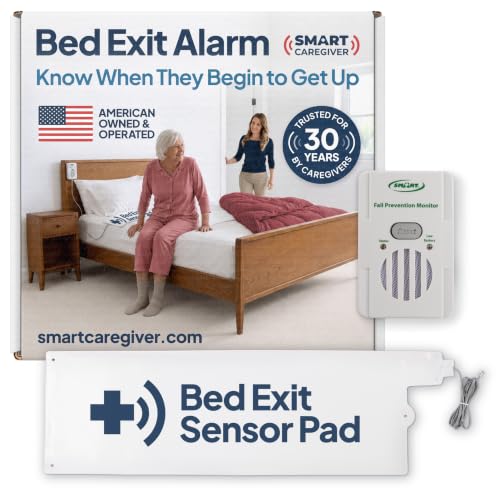
- Weight-sensing pad alarms when pressure is removed
- 10 x 30 vinyl pad is easy to clean and incontinence resistant
- Includes 9V battery and low-battery/status lights
Best For: Caregivers who want a simple corded alarm with an in-room alert
Wireless Motion-Alert System
Upgraded Bed Sensor Alarm with Pager
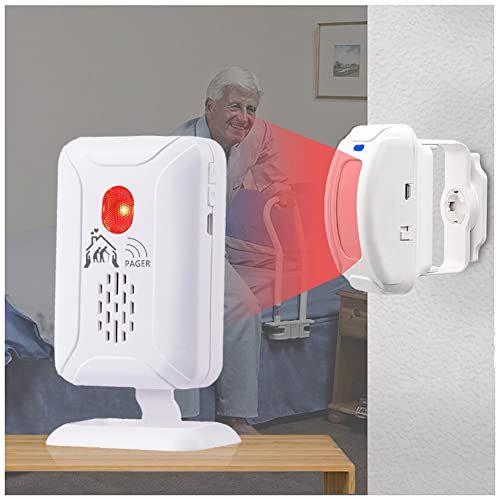
- Motion sensor can go under the bed or at the door
- Pager alerts within up to 918 ft in open area
- No alarm sounds in the patient’s room
Best For: Caregivers who want a wireless motion alert placed near the bed or doorway
Wireless Bed Alarm With Large Pad

- Large 20 x 30 pad for extra coverage
- Wireless pager works up to 400 ft. away
- Volume or vibration-only alert options
Best For: Caregivers who want a simple wireless bed alarm for dementia care and restless sleepers
Under-Mattress Early Alert
Invisible Fall Prevention System

- Hidden under-mattress sensor stays out of sight and feel
- PreRise technology is designed to alert before standing
- Pager has adjustable volume plus vibration-only mode
Best For: People who refuse visible alarms and caregivers who want a discreet early-alert system
Early-Alert Wireless Pick – Lunderg Wireless Early Alert Bed Alarm System
If you want a bed alarm for elderly fall prevention that alerts you before your loved one gets fully out of bed, this Lunderg system is built for that job. It sends alerts wirelessly to a pager you carry, uses no Wi‑Fi or app, and avoids an in-room alarm that could startle the person in bed.
Best For: Caregivers who want a discreet early-warning bed alarm with a handheld pager and simple setup.
Pros:
- Patented pre-rise sensor pad is placed at hip level to alert before the person is out of bed.
- No loud in-room alarm; alerts are sent wirelessly to the included pager.
- No Wi‑Fi, app, or tools required for setup.
- Includes adjustable pager volume, vibration mode, wall mount bracket, and all batteries.
Cons:
- Only covers the bed, not chair monitoring.
- Uses a 10″ x 33″ pressure pad, which may be larger than some basic setups.
This is a strong choice if your priority is early notification without a bedside blast. The long wireless range and included pager make it practical for home caregiving, especially when dignity and quiet monitoring matter.
Wired Budget Option – Patient Aid Bed Alarm with Motion Sensor Pad
This bed alarm for elderly fall prevention uses a wired alarm device and a 10″ x 30″ motion sensor pad to alert caregivers when the patient tries to stand. It is a straightforward option if you want a simple, mountable system with multiple placement choices and audible alert settings.
Best For: Caregivers who want a basic wired bed alarm with adjustable sound and flexible mounting.
Pros:
- Motion sensor pad alerts when the patient attempts to get up.
- Multiple mounting options: bed rail, wall, or flat surface with velcro strips.
- Adjustable sound settings with alarm or music at 80 dB or 90 dB.
- Includes AC adapter and battery power option, plus a 1-year replacement policy.
Cons:
- Device must be mounted beyond the patient’s reach because it is wired.
- Notes state it cannot be used with a pacemaker or defibrillator.
Compared with wireless options, this one is more direct and traditional. It works well if you want clear audible alerts and flexible mounting, but you should be comfortable with the wired layout and placement requirements.
Multi-Device Wireless Pick – Smart Caregiver Wireless Bed Pad Alarm System
For a bed alarm for elderly fall prevention that can cover more than one alerting device, this Smart Caregiver system is a practical wireless choice. It uses a 10″ x 30″ weight-sensing pad, sends alerts to a movable monitor, and can pair with other Smart Caregiver components for broader monitoring.
Best For: Caregivers who want a wireless bed alarm that can integrate with other Smart Caregiver devices.
Pros:
- Wireless monitor alerts when the patient gets off the bed pad.
- Up to 300-foot range lets you carry the monitor or mount it on a wall.
- Can monitor up to 6 devices and pair with other Smart Caregiver alarms.
- Includes a latex-free vinyl pad, batteries, and a 1-year warranty.
Cons:
- Alerting range is shorter than some premium wireless systems.
- No early-pre-rise claim; it alerts when weight leaves the pad.
This model makes sense if you want a wireless system that can expand later. It is especially useful for households already using Smart Caregiver products or planning to add motion, door, or call-button alerts.
Bed-and-Chair Coverage Pick – Lunderg Wireless Early Alert Bed & Chair Alarm Set
If you need a bed alarm for elderly fall prevention plus chair coverage, this Lunderg set combines both into one wireless pager system. The bed pad is positioned for pre-rise alerting, while the chair pad notifies you when the person stands up, helping close monitoring gaps around the home.
Best For: Caregivers who need one wireless alarm set for both bed and chair monitoring.
Pros:
- Includes both a bed sensor pad and a chair sensor pad.
- Both pads send alerts wirelessly to the same handheld pager.
- Adjustable pager volume plus vibration-only mode.
- No Wi‑Fi, app, or tools required; batteries are included.
Cons:
- More expensive than a bed-only alarm because it includes two pads.
- Designed around a pager, not a smartphone app.
This set is a strong fit when one device is not enough. If you want coverage in both the bed and the chair, it delivers a simple all-in-one approach without adding a loud alarm in the room.
Larger-Area Pager Alarm – VEVOR 14 x 30-inch Bed Alarm System
If you want a bed alarm for elderly fall prevention with a larger sensing area, this VEVOR system focuses on detecting when someone leaves the bed and sending a signal to the pager right away. The 14 x 30-inch pad is designed for more precise monitoring, and the pager offers adjustable volume, silent mode, and vibration mode for different care settings.
Best For: Caregivers who want a larger under-mattress sensor pad with flexible pager alert options.
Pros:
- 14 x 30-inch sensor pad provides a larger sensing area for more precise monitoring.
- Wireless signal transmission with up to 300 ft range and strong wall penetration.
- Pager includes adjustable volume, silent mode, and vibration mode.
- Low battery reminders help reduce the chance of unexpected shutdowns.
Cons:
- “Wireless” applies to the signal transmission; the pad itself uses a transmission cable.
- No power adapter is included, so a DC 6V adapter must be purchased separately.
- Batteries are not included.
Overall, this is a practical option if you want broader coverage from a pressure-sensor pad and a pager that can be tailored to the environment. Just plan for the extra power accessories before you install it.
Corded In-Room Safety Alarm – Smart Caregiver Bed Alarm System
This bed alarm for elderly fall prevention uses a weight-sensing pad that sounds when pressure is removed, making it a straightforward choice for monitoring when someone gets up. The system is built for everyday caregiving, with a soft vinyl pad, simple placement under the fitted sheet, and a monitor that can be mounted where it is easiest to reach.
Best For: Caregivers who want a simple corded bed alarm with an in-room alert.
Pros:
- Alerts immediately when pressure is removed from the sensor pad.
- 10″ x 30″ vinyl pad is sealed for incontinence protection and easy cleaning.
- Monitor can be mounted on a bed, wall, or nearby surface.
- Includes a 9V battery, with low-battery and sensor status lights.
Cons:
- The alarm sounds in the room unless an optional wireless add-on kit is purchased separately.
- Uses a corded connection between the pad and monitor.
- AC adapter is not included.
This is a dependable, no-frills choice if you want a proven sensor-pad alarm that is easy to place and easy to clean. It fits best in setups where an in-room alert is acceptable or even preferred.
Wireless Motion-Alert System – Upgraded Bed Sensor Alarm with Pager
For bed alarm for elderly fall prevention without a pad under the sheet, this motion-sensor setup is designed to detect when a foot is about to touch the floor or when someone leaves the room. Because the alarm goes to a caregiver pager instead of sounding in the patient’s room, it can be a better fit when you want to avoid startling the person being monitored.
Best For: Caregivers who want a wireless motion alert that can be placed by the bed or door.
Pros:
- Motion sensor can sit on the floor under the bed or by the door.
- Pager receives alerts within up to 918 ft in an open area.
- Does not sound in the patient’s room, which may reduce startle risk.
- Includes dual reminders with LED light and sound, plus dual power options.
Cons:
- Requires careful testing of sensing range and direction before final placement.
- Motion sensor starts with a self-test period before entering work mode.
- Only one sensor and one caregiver pager are included.
This is a flexible option if you want to monitor bedside movement or doorway exit activity rather than rely on a traditional pressure pad. The tradeoff is that placement matters, so setup takes a little more attention.
Wireless Bed Alarm With Large Pad – Dignity-Friendly Alert System
If you’re shopping for a bed alarm for elderly fall prevention, this Lunderg system focuses on simple wireless alerts instead of a bedside blast. The large 20 x 30 sensor pad sends a signal to the pager you carry, so you can respond as soon as your loved one gets up. It’s a practical fit for caregivers who want coverage, portability, and a setup that doesn’t rely on Wi‑Fi or an app.
Best For: Caregivers who want a larger wireless bed alarm with a pager they can carry or clip on, especially for dementia care and restless sleepers.
Pros:
- Large 20 x 30 pad offers extra coverage for restless sleepers.
- Wireless pager alerts you up to 400 ft. away, with volume or vibration-only settings.
- No Wi‑Fi or app needed, and batteries are included.
- Anti-slip stickers and wipe-clean surface help reduce shifting and simplify maintenance.
Cons:
- Alerts when the user gets up, not before they move toward the edge of the bed.
- Requires the pad to stay positioned correctly to avoid false alarms.
Overall, this is a straightforward bed alarm for elderly fall prevention if you want a larger sensor pad and a pager-based alert system. It’s built for ease of use and caregiver mobility rather than smart features, which may be exactly what you need.
Early Warning Bed Sensor – Wireless 20×30 Safety Monitor
This bed alarm for elderly fall prevention is built around early warning and easy caregiver monitoring. The 20 x 30 wireless sensor pad is designed to notify you before your loved one wakes up, while the pager can alert quietly, loudly, or in vibration mode. It’s a practical option if you want a simple bedside safety system with straightforward setup and no app required.
Best For: Caregivers looking for an early-warning wireless bed alarm with adjustable pager alerts and a large sensor pad.
Pros:
- Early warning design aims to alert you before the person gets up.
- Large 20 x 30 pad helps reduce false positives when kept flat and covered correctly.
- Pager offers adjustable volume, vibration-only mode, and a pocket clip.
- Battery powered with 2 AA batteries included and up to 400 ft. wireless range.
Cons:
- Pad placement matters; it should be on a flat mattress or topper and kept under a fitted sheet.
- Indoor range may vary depending on the home layout.
As a bed alarm for elderly fall prevention, this model keeps the feature set focused on the essentials: early alerts, wireless paging, and easy cleaning. It’s a sensible choice if you want a no-frills monitor with a larger pad and flexible alert volume.
Under-Mattress Early Alert – Invisible Fall Prevention System
If you need a bed alarm for elderly fall prevention that stays out of sight, this Lunderg under-mattress system is designed to be completely invisible. The sensor pad sits under the mattress and sends alerts wirelessly to the pager you carry, which can help when a loved one refuses wearable devices or visible pads. Its early-alert design aims to warn you before they stand up, giving you more time to intervene.
Best For: Loved ones who resist visible monitoring and caregivers who want an under-mattress alarm with early alerts.
Pros:
- Under-mattress sensor is hidden from sight and feel.
- PreRise early-alert technology is designed to notify you before the person stands.
- Wireless pager includes adjustable volume, vibration-only mode, pocket clip, and wall mount bracket.
- Works under mattresses 13 inches or less and includes batteries.
Cons:
- Only works with mattresses up to 13 inches thick.
- Premium under-bed design may be more specific than a standard pad setup.
For bed alarm for elderly fall prevention, this model stands out because it avoids the visibility issues that can make some users reject monitoring altogether. It’s a strong pick when discretion, early warning, and a caregiver-held pager matter most.
How We Picked the Best Bed Alarm for Elderly Fall Prevention
We prioritized alarms that are easy to set up, dependable in daily use, and suitable for real-world caregiving. For a Bed Alarm for Elderly Fall Prevention, the most important factors are alert speed, sensor reliability, caregiver convenience, and whether the system creates stress for the person sleeping.
We also looked for clear differences in pad size, wired versus wireless designs, pager style alerts, and options that work well for restless sleepers or users with dementia.
Quick Comparison
Most buyers can narrow the choice by matching the alarm to the care situation. Wireless systems are usually best for convenience and caregiver mobility. Larger pads can improve coverage for active sleepers. Under-mattress designs may be better when a hidden setup is preferred. Wired systems can be simpler and more affordable, while early-alert models are useful when caregivers want notification before a full bed exit.
Key Buying Factors for Bed Alarm for Elderly Fall Prevention
Alert Timing
Some systems trigger only after weight leaves the bed, while others provide earlier warning as movement starts. Early notification can be especially helpful for high fall-risk users or caregivers who cannot stay in the room.
Pad Size and Placement
Standard pads cover the mid-bed area well, but larger pads may reduce missed alerts for restless sleepers. Under-mattress and mattress-top options each have trade-offs in comfort, sensitivity, and visibility.
Wireless Vs. Wired
Wireless alarms offer more flexibility and less cord clutter. Wired models can be straightforward and reliable, but cable routing matters for safety and convenience.
Alarm Output
Look for pager alerts, adjustable volume, and vibration or silent-notification options when appropriate. A loud in-room alarm is not always ideal, especially for dementia care or shared bedrooms.
Care Setting and User Needs
For dementia patients or frequent wanderers, choose a system with dependable alerts and a setup that does not frighten the user. For lighter fall-risk concerns, a basic bed-exit alarm may be enough.
Who Should Buy Which Bed Alarm for Elderly Fall Prevention?
If you need the most caregiver-friendly option, a wireless early-alert model is often the best fit. If you want a simple and budget-conscious setup, a wired pad alarm may be sufficient. If the sleeper is highly restless, consider a larger sensor pad. If discretion matters, an under-mattress design can be a smart choice. The best Bed Alarm for Elderly Fall Prevention is the one that matches the user’s movement, the caregiver’s response time, and the level of supervision required.