The best heart rate monitor with watch combines convenient wrist-based tracking with features that help you understand workouts, recovery, sleep, and daily activity. The right model depends on whether you prioritize accurate training data, GPS, long battery life, or simple step and pulse tracking.
We compared 10 options ranging from dedicated Garmin running watches and Fitbit activity trackers to budget-friendly smartwatches and chest-strap systems. Use the guide below to narrow your choices by features, comfort, battery life, and intended use.
Best 10 Heart Rate Monitor with Watch Picks for 2026
Versatile Everyday Pick

- Heart rate and sleep monitoring with 120 sports modes
- Large 1.83-inch display and Bluetooth calling
- Up to 5–7 days of active-use battery life
Best For: Everyday fitness tracking and smartwatch connectivity
Wellness Tracking Pick

- 24/7 heart rate and irregular rhythm notifications
- Sleep, stress, SpO2, and activity tracking
- Up to 10 days of battery life
Best For: Lightweight wellness and sleep-focused tracking
Feature-Packed Budget Choice

- 24/7 heart rate, blood oxygen, and blood pressure monitoring
- 120+ sports modes with sleep and activity tracking
- Call alerts, reminders, and 250+ watch faces
Best For: Broad health metrics and everyday smartwatch features
Best for Runners

- Built-in GPS with wrist-based heart rate
- Adaptive workouts and recovery guidance
- Up to 19 hours in GPS mode
Best For: Running, structured training, and workout analysis
Everyday Wellness Pick

- Continuous heart rate, blood pressure, and blood oxygen tracking
- 112 sports modes plus sleep insights and activity metrics
- Notifications, two bands, and up to 7 days of battery life
Best For: Everyday wellness tracking with practical smartwatch features
Dedicated Running Pick
Garmin Forerunner 55 GPS Running Watch

- Wrist heart rate monitoring with built-in GPS
- Suggested workouts, PacePro, and race predictions
- Up to two weeks of smartwatch battery life
Best For: Runners who want structured training and GPS tracking
Women’s Health Pick
MorePro Fitness Tracker with Cycle Tracking
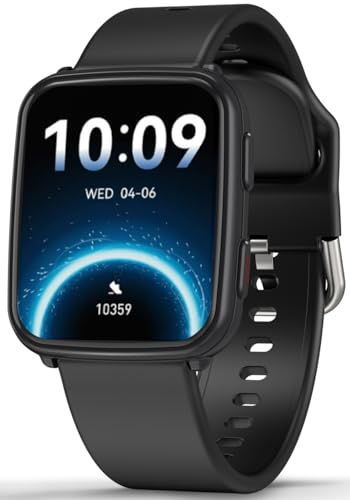
- 24/7 heart rate and blood pressure monitoring with oxygen checks
- 120-plus sport modes and detailed sleep tracking
- Cycle tracking, notifications, and up to 7 days of battery life
Best For: Wellness tracking with women’s health and lifestyle features
Simple Tracking

- Tracks heart rate, sleep, and daily activity
- Can be used without an app or phone
- IP68 rating with 5–7 days of stated battery life
Best For: Simple everyday fitness tracking without required smartphone setup
Workout Accuracy

- Uses a chest strap for exercise heart-rate monitoring
- Shows heart rate and calorie estimates on the watch
- Includes heart-rate zone alerts and 5ATM water resistance
Best For: Phone-free training and heart-rate zone awareness
Connected Wellness

- Monitors heart rate, sleep, blood oxygen, and more
- Offers 25 sport modes and app-based activity records
- Has a 1.1-inch AMOLED display and 5ATM rating
Best For: Connected, feature-rich wellness and activity tracking
Versatile Everyday Pick – TG08 Smart Watch
If you want a heart rate monitor with watch features for everyday fitness and connectivity, the TG08 offers a large display, broad activity tracking, and phone notifications. It monitors heart rate and sleep while adding Bluetooth calling, music controls, Alexa, and customizable watch faces.
Best For: Users seeking an affordable all-purpose smartwatch for workouts, notifications, and daily health tracking.
Pros:
- Tracks heart rate, sleep, steps, and activities across 120 sports modes.
- 1.83-inch HD display with customizable watch faces.
- Bluetooth calls, message notifications, music control, and Alexa built in.
- Rated IP67 with up to 5–7 days of active-use battery life.
Cons:
- GPS functionality is not listed as built in; compatibility depends on a connected phone.
- IP67 protection is intended for splashes and brief submersion, not extended water activities.
The TG08 is a practical choice when you want heart-rate tracking combined with smartwatch conveniences. Its large screen and long battery life suit everyday wear, though serious athletes may prefer a model with more specialized training tools.
Wellness Tracking Pick – Fitbit Inspire 3
The Fitbit Inspire 3 is a slim heart rate monitor with watch-style wellness features, including 24/7 heart rate tracking, exercise modes, sleep analysis, and stress tools. Its compact design and 10-day battery make it well suited to continuous wear.
Best For: People prioritizing lightweight wellness, sleep, stress, and activity tracking over smartwatch calling features.
Pros:
- Provides 24/7 heart rate tracking, resting heart rate, and irregular heart rhythm notifications.
- Includes 40+ exercise modes, automatic exercise tracking, and Active Zone Minutes.
- Offers detailed sleep tracking, Sleep Score, stress management tools, and SpO2 measurements.
- Water resistant to 50 meters with up to 10 days of battery life.
Cons:
- GPS is provided through a smartphone rather than built into the tracker.
- The 0.76-inch display is smaller than those on full-size smartwatches.
- Requires Apple iOS 16.4 or higher or Android OS 11.0 or higher.
Choose the Inspire 3 if discreet, consistent health tracking is more important than a large screen or extensive smartwatch controls. It is especially compelling for sleep and stress monitoring.
Feature-Packed Budget Choice – H32 Pro Fitness Smartwatch
This H32 Pro is a heart rate monitor with watch functionality that combines 24/7 heart rate, blood oxygen, and blood pressure monitoring with more than 120 sports modes. It also includes sleep tracking, call and message notifications, and practical daily reminders.
Best For: Users wanting a broad set of health metrics and smartwatch functions at a budget-oriented price point.
Pros:
- Tracks heart rate, blood pressure, blood oxygen, sleep stages, steps, distance, and calories.
- Includes more than 120 exercise modes and all-day activity tracking.
- Features a 1.58-inch high-resolution display with an always-on clock and 250+ watch faces.
- IP68-rated design with call and message notifications and phone-connected route mapping.
Cons:
- Outdoor route mapping requires a connection to phone GPS.
- The supplied notes do not specify battery life.
- Health measurements are presented as wrist-based tracking metrics rather than a substitute for medical evaluation.
The H32 Pro stands out for feature breadth, especially if you want several health readings and many sports modes in one device. Confirm phone compatibility and expectations around connected GPS before buying.
Best for Runners – Garmin Forerunner 165
The Garmin Forerunner 165 is a heart rate monitor with watch capabilities designed around running and structured training. It adds built-in GPS, wrist-based heart rate, adaptive workouts, recovery guidance, and a bright AMOLED display for athletes who want more than basic activity tracking.
Best For: Runners and fitness users who want GPS-based workout data, training guidance, and recovery insights.
Pros:
- Built-in GPS tracks pace and distance without relying on a phone during workouts.
- Provides wrist-based heart rate, training effect, recovery time, and HRV-related morning insights.
- Offers personalized suggested workouts, Garmin Coach, and race-adaptive training plans.
- Includes 25+ activity profiles and up to 19 hours of GPS-mode battery life.
Cons:
- Its training-focused feature set may be more than casual users need.
- Safety and tracking features require a paired smartphone and network coverage.
- Smart notifications and Garmin Pay depend on compatible phones, countries, and payment networks.
For runners, the Forerunner 165 is the strongest specialized option in this group because its built-in GPS and adaptive training tools complement heart-rate data. It is less suited to shoppers seeking only basic wellness tracking.
Everyday Wellness Pick – MorePro Fitness Tracker Watch
If you want a heart rate monitor with watch features for everyday wellness tracking, this MorePro model combines continuous heart rate monitoring with blood pressure, blood oxygen, sleep, and activity tracking. It also adds notifications, practical reminders, multiple watch faces, and two included bands.
Best For: Everyday users who want broad wellness tracking, notifications, and lifestyle tools in one affordable-style fitness watch.
Pros:
- Offers continuous heart rate monitoring with high heart rate alerts, plus blood pressure and blood oxygen tracking.
- Includes sleep tracking with daily and weekly insights through the FitCloudPro app.
- Provides 112 sports modes, call and message notifications, and up to 7 days of battery life.
- Includes silicone and nylon bands, 200-plus watch faces, and an IP68 water-resistant design.
Cons:
- It is not a medical device, so readings are intended for general wellness reference only.
- GPS is provided through a connected smartphone rather than built into the watch.
- It is not recommended for swimming, diving, or showering.
This is a feature-rich choice if your priority is broad health and activity tracking rather than advanced standalone sports navigation. Keep its wellness-only readings and smartphone-dependent GPS in mind when comparing it with dedicated running watches.
Dedicated Running Pick – Garmin Forerunner 55 GPS Running Watch
For runners seeking a heart rate monitor with watch functionality, the Garmin Forerunner 55 focuses on training guidance, GPS-based run tracking, and wrist-based heart rate monitoring. Its suggested workouts, PacePro guidance, and long battery life make it more training-oriented than a general wellness tracker.
Best For: Runners who want structured training tools, built-in GPS, and extended battery life.
Pros:
- Monitors heart rate at the wrist and uses built-in GPS to track distance, pace, and location.
- Offers daily suggested workouts based on training history, fitness level, and recovery time.
- Includes PacePro pace guidance, race time predictions, and finish time estimates.
- Battery lasts up to two weeks in smartwatch mode or up to 20 hours in GPS mode.
Cons:
- It is a running-focused watch, so its feature set is less centered on broad health metrics than the MorePro options.
- The watch uses buttons rather than a touchscreen for control.
- Heart rate monitoring is not intended for medical use.
The Forerunner 55 is the strongest fit here for runners who value GPS accuracy and training structure. Choose it over a general-purpose tracker if workout planning and run metrics matter more than blood pressure or blood oxygen features.
Women’s Health Pick – MorePro Fitness Tracker with Cycle Tracking
This MorePro fitness tracker is a versatile heart rate monitor with watch features, combining 24/7 heart rate and blood pressure monitoring with sleep, activity, and women’s health tools. Its cycle tracking, extensive sport modes, notifications, and customizable watch faces make it suitable for everyday wear.
Best For: Users who want wellness tracking with women’s health features, broad workout coverage, and everyday smart reminders.
Pros:
- Provides 24/7 heart rate and blood pressure monitoring, on-demand blood oxygen checks, and sleep tracking.
- Supports 120-plus sport modes and tracks steps, distance, calories, heart rate, and training time.
- Includes menstrual cycle tracking with period, trying-to-conceive, and pregnancy modes in the app.
- Offers call, SMS, and app notifications, IP68 protection, and up to 7 days of normal-use battery life.
Cons:
- Health readings are for general wellness and are not intended for medical use.
- It is not compatible with PCs or tablets.
- The supplied specifications do not indicate built-in GPS.
This model stands out when women’s health tracking and lifestyle reminders are priorities alongside standard fitness metrics. It is a practical all-rounder, but dedicated runners may prefer the Garmin’s built-in GPS and training features.
Simple Tracking – No-Phone Heart Rate Watch
If you want a heart rate monitor with watch functionality without depending on a phone or app, this LIVIKEY fitness tracker keeps things straightforward. It tracks heart rate, sleep, steps, calories, distance, and active time, while offering nine sport modes for everyday activity.
Best For: Shoppers who want a simple fitness watch for basic health and activity tracking, with optional smartphone connectivity.
Pros:
- Heart rate and sleep monitoring for daily wellness tracking.
- Works as a standalone watch without requiring an app or smartphone connection.
- Nine sport modes plus step, calorie, distance, and active-time tracking.
- IP68 water resistance and a stated 5–7 days of battery life.
Cons:
- It cannot make calls or send texts.
- GPS functionality is provided through a smartphone rather than built in.
- Advanced tracking features and step-goal settings require the app.
This is a practical choice for users who prioritize simplicity and long battery life over a full smartwatch experience. It offers useful heart-rate and activity basics, with phone notifications available when connected.
Workout Accuracy – Chest Strap Heart Rate Watch
For workout-focused monitoring, this EZON heart rate monitor with watch pairs a chest strap with a dedicated digital display. It shows real-time heart rate and calorie estimates during exercise, while customizable safety zones can alert you when your heart rate exceeds the selected range.
Best For: Runners, cyclists, and fitness enthusiasts who want a phone-free workout heart-rate setup with a chest sensor.
Pros:
- Chest strap is designed to provide heart-rate readings across varied exercises.
- Displays real-time heart rate and estimated calorie consumption.
- Customizable settings include gender, age, weight, and heart-rate safety zone.
- 5ATM water resistance and batteries rated for up to 365 days of use.
Cons:
- Requires wearing a separate chest strap rather than relying on wrist-only tracking.
- It does not pair with compatible devices, according to the supplied details.
- The watch uses a simpler digital display and lacks smartwatch features.
The chest-strap design makes this a focused option for training feedback and heart-rate zone awareness. It is less versatile than a connected smartwatch, but its long battery life and dedicated display suit structured workouts.
Connected Wellness – AMOLED Health Smart Watch
This Zeacool fitness tracker is a connected heart rate monitor with watch features for broader wellness tracking. It monitors heart rate around the clock and also records blood oxygen, blood pressure, sleep, temperature, steps, distance, and calories through the Keep Health app.
Best For: Users who want a feature-rich fitness tracker with smartphone app support, multiple sports modes, and a colorful AMOLED display.
Pros:
- 24/7 heart-rate monitoring plus blood oxygen, blood pressure, temperature, and sleep tracking.
- Supports 25 sport modes and records everyday activity data.
- 1.1-inch AMOLED HD color touchscreen with multiple watch-face options.
- 5ATM waterproof design and stated 10–14 days of regular-use battery life.
Cons:
- Requires an iPhone or Android smartphone for app-based features.
- Health readings are tracking features and should not be treated as medical diagnoses.
- Its broad feature set may be more than needed for shoppers seeking only basic heart-rate tracking.
Choose this model if you want a wider set of wellness metrics and smart conveniences in one wearable. Its app dependence makes it less suitable for users seeking a completely standalone heart-rate watch.
How We Picked the Best Heart Rate Monitor with Watch Options
We focused on the features that matter most in everyday use: heart rate tracking, workout modes, sleep monitoring, water resistance, battery life, display quality, and ease of use. We also considered whether each device includes GPS, smartphone notifications, call support, or a companion app. The selection includes dedicated running watches, lightweight fitness bands, basic trackers, and a chest-strap watch combination so different buyers can choose the right level of functionality.
Health-monitoring features such as blood oxygen and blood pressure estimates can be useful for trends, but they are not substitutes for medical equipment or professional advice. Workout heart-rate readings are also affected by fit, movement, skin contact, and exercise intensity.
Quick Comparison
| Best For | Look For | Standout Feature |
|---|---|---|
| Serious runners | GPS, training tools, reliable battery | Garmin Forerunner models |
| General fitness | Heart rate, sleep, steps, phone syncing | Fitbit Inspire 3 and similar trackers |
| Smartwatch users | Large display, notifications, calls, sports modes | Feature-rich smartwatch designs |
| Simple tracking | Easy controls and minimal setup | Standalone or no-phone trackers |
| High-intensity training | Secure sensor placement and water resistance | Chest-strap monitor systems |
Key Buying Factors for a Heart Rate Monitor with Watch
Sensor Design and Tracking Needs
Wrist sensors are convenient for continuous monitoring and everyday wear. A chest strap generally provides a more secure signal during intervals, cycling, or other vigorous workouts, although it may be less comfortable for all-day use. Look for adjustable bands and a snug fit without excessive pressure.
GPS and Workout Features
If you run, hike, or cycle outdoors, built-in GPS can record routes, distance, and pace without requiring your phone. Runners may also benefit from suggested workouts, training metrics, recovery tools, and pace alerts. For casual exercise, multiple sport modes may be more valuable than advanced analytics.
Battery Life and Durability
Check whether the advertised battery estimate applies to smartwatch mode, workout tracking, or continuous GPS use. Water resistance is important for sweat, rain, and swimming, but the rating should match your activities. A bright display and physical buttons can also improve usability during exercise.
App Support and Smart Features
Confirm phone compatibility, required app permissions, and whether key readings can be viewed directly on the watch. Alexa, calls, notifications, music controls, and app syncing add convenience, while a simpler device may be preferable if you want fewer distractions.
Who Should Buy Which Heart Rate Monitor with Watch?
Choose a Garmin Forerunner if structured running workouts, GPS accuracy, and training data are your priorities. Pick a Fitbit-style tracker for lightweight everyday activity, sleep, and wellness insights. A full-featured smartwatch is better for shoppers who want notifications, calls, numerous sports modes, and a larger screen.
Budget fitness trackers suit users who mainly want heart rate, steps, calories, and sleep information. Choose a no-phone model when independent operation matters most, and consider the EZON chest-strap setup when exercise heart-rate responsiveness is more important than smartwatch conveniences. Before buying, verify band sizing, phone compatibility, water-resistance limits, and whether the health features you want require a subscription.