A heart rate monitor with a long-lasting battery helps you track workouts without frequent charging or unexpected interruptions. This roundup compares chest straps and optical armbands for runners, cyclists, gym users, and multisport athletes.
We focused on battery endurance, connection options, comfort, water resistance, and compatibility so you can choose a monitor that fits your training setup.
Best 10 Heart Rate Monitors with Long Battery Life Picks for 2026
Longest Battery Pick

- Up to 800 hours of battery life
- ANT+ and Bluetooth compatible
- IP67 water resistance
Best For: Frequent training with minimal battery changes
Garmin Everyday Pick

- Up to one year of battery life
- Real-time heart rate and HRV
- Machine-washable strap
Best For: Routine training with compatible Garmin devices
Precision Training Pick

- Up to 500 hours of operation
- ECG-based heart rate and HRV tracking
- Bluetooth and ANT+ support
Best For: Structured training and HRV-focused workouts
Advanced Garmin Pick

- Up to two months of rechargeable battery life
- Records workouts without a watch
- Adds running and swim data features
Best For: Garmin athletes seeking advanced performance metrics
Long-Range Training Pick
Wahoo TRACKR Heart Rate Monitor

- Up to 200 hours of active rechargeable battery life
- ANT+ and Bluetooth connectivity
- Soft, secure chest-strap fit
Best For: Frequent trainers seeking maximum rechargeable battery life
Ultra-Long Battery Value
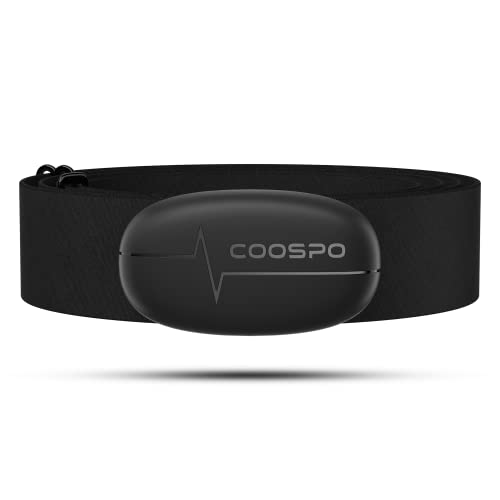
- Up to 300 hours with a replaceable CR2032 battery
- Bluetooth and ANT+ dual-mode connection
- Compatible with apps, watches, bikes, and gym equipment
Best For: Multi-device users who prefer replaceable batteries
Comfortable Armband Choice

- 38 hours of operation and 80 days of standby
- Soft, breathable armband with wear detection
- Bluetooth pairing with up to three devices
Best For: Bluetooth users who prefer an armband design
Longest-Lasting Chest Strap
POWR LABS Bluetooth ANT+ Heart Rate Monitor
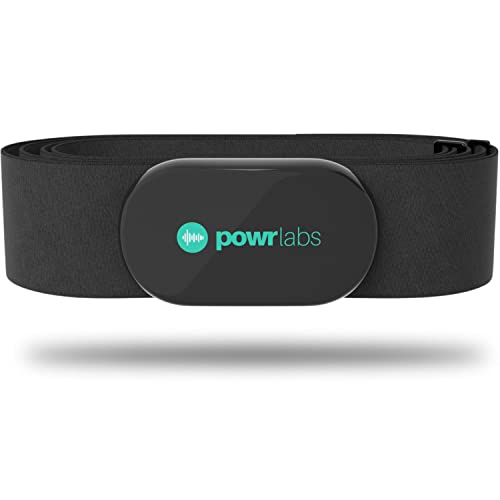
- Up to 400 hours of stated battery life
- Bluetooth and ANT+ connectivity
- Soft, adjustable, water-resistant chest strap
Best For: Frequent training with minimal battery maintenance
Best Rechargeable Armband
Scosche Rhythm+ 2.0 Heart Rate Monitor

- Up to 24 hours of continuous battery life
- Optical armband avoids a chest strap
- Bluetooth, ANT+, and HRV mode support
Best For: Comfortable daily workouts and app-based training
Best for Flexible Wear

- Up to 30 hours of stated battery life
- Two Bluetooth channels plus ANT+
- Armband and swimming goggle clip included
Best For: Multisport training and flexible sensor placement
Longest Battery Pick – GEOID HS500
If you want heart rate monitors with long battery life, the GEOID HS500 stands out with up to 800 hours from a replaceable CR2032 battery. It supports both ANT+ and Bluetooth, making it suitable for connecting to phones, watches, bike computers, treadmills, and fitness apps.
Best For: Frequent runners, cyclists, and fitness users who want maximum battery longevity and broad device compatibility.
Pros:
- Up to 800 hours of battery life with a replaceable CR2032 battery.
- Supports both ANT+ and Bluetooth connections.
- IP67 water resistance and a flashing LED for connection and heart-rate confirmation.
- Designed with movement- and sweat-interference reduction algorithms.
Cons:
- Swimming is not recommended.
- Bluetooth pairing should be completed through the fitness app rather than directly through the phone settings.
The HS500 is an especially practical choice when recharging is inconvenient. Its long runtime, replaceable battery, and wide compatibility make it a strong value for multi-device training setups.
Garmin Everyday Pick – Garmin HRM 200
The Garmin HRM 200 is a straightforward option among heart rate monitors with long battery life, offering up to one year on a user-replaceable battery. It sends real-time heart rate and HRV data to compatible Garmin devices, fitness equipment, apps, and smartphones.
Best For: Garmin users who want a durable, low-maintenance chest strap for regular workouts.
Pros:
- Up to one year of battery life with a user-replaceable battery.
- Transmits real-time heart rate and HRV data.
- Available in two strap sizes for a more suitable fit.
- Machine-washable strap and 3 ATM water rating.
Cons:
- Its stated battery life is shorter than the 500- and 800-hour alternatives in this roundup.
- Advanced running dynamics and workout recording features are not listed for this model.
With a year of battery life and a washable strap, the HRM 200 emphasizes convenience and durability. It is a sensible match for athletes already using compatible Garmin equipment.
Precision Training Pick – CYCPLUS H2Pro
The CYCPLUS H2Pro combines a 500-hour battery with ECG-based heart rate tracking, making it one of the more training-focused heart rate monitors with long battery life. ANT+ and Bluetooth support allow it to connect with phones, watches, cycling computers, treadmills, ellipticals, and fitness apps.
Best For: Athletes who prioritize ECG-based readings, HRV analysis, and flexible connections across training devices.
Pros:
- Up to 500 hours of operation from a CR2032 coin-cell battery.
- Uses ECG algorithms to track heart rate and identify heartbeat changes for HRV.
- Supports both Bluetooth and ANT+ connections.
- Lightweight, breathable, adjustable strap with IPX7 protection.
Cons:
- The supplied details do not specify that the CR2032 battery is user-replaceable.
- It offers less stated battery life than the GEOID HS500.
The H2Pro is appealing when measurement precision matters as much as runtime. Its ECG approach and HRV support suit structured training, while 500 hours reduces the need for frequent battery attention.
Advanced Garmin Pick – Garmin HRM 600
The Garmin HRM 600 is designed for data-driven athletes who want more than basic heart rate tracking. Its rechargeable battery lasts up to two months, and it can record workouts without a watch, support running dynamics, track swim data, and sync additional metrics with Garmin Connect.
Best For: Garmin athletes who value advanced running, swimming, workout-recording, and daily activity data.
Pros:
- Records workouts and syncs data even when a watch cannot be worn.
- Provides heart rate, HRV, running dynamics, and indoor pace and distance features with compatible devices.
- Stores and syncs heart rate data from swim activities.
- Machine-washable strap and rechargeable battery.
Cons:
- Up to two months of battery life is shorter than the other monitors listed here.
- Many advanced features require compatible Garmin devices or Garmin Connect.
- Recharging is required rather than replacing a coin-cell battery.
The HRM 600 is the feature-rich choice rather than the longest-lasting one. Its two-month runtime may suit users who prefer rechargeable hardware and want extensive Garmin training data in return.
Long-Range Training Pick – Wahoo TRACKR Heart Rate Monitor
If you want heart rate monitors with long battery life, the Wahoo TRACKR stands out with a rechargeable battery rated for up to 200 hours of active use. Its chest-strap design, precise real-time readings, and ANT+ and Bluetooth connectivity make it a practical choice for extended training sessions.
Best For: Athletes and frequent trainers who want a rechargeable chest strap with exceptionally long active battery life.
Pros:
- Up to 200 hours of active battery life from its rechargeable battery.
- Supports both ANT+ and Bluetooth connections for phones, fitness equipment, apps, and accessories.
- Slim, soft strap and LED indicators for fit, connection, heart-rate detection, and battery status.
Cons:
- Chest-strap format may be less appealing than an armband for some users.
- Requires charging, rather than using a replaceable battery.
The TRACKR is a strong fit when minimizing charging interruptions matters most. Its broad connectivity and comfortable secure fit add flexibility for indoor and outdoor training.
Ultra-Long Battery Value – COOSPO H6 Heart Rate Monitor
Among heart rate monitors with long battery life, the COOSPO H6 offers up to 300 hours of use from a changeable CR2032 battery. It combines Bluetooth and ANT+ transmission with broad support for fitness apps, bike computers, sports watches, and gym equipment.
Best For: Cyclists, gym users, and multi-device athletes who prefer a replaceable battery and wide compatibility.
Pros:
- Up to 300 hours of continuous use with a changeable CR2032 battery.
- Dual Bluetooth and ANT+ connectivity supports multiple device types.
- Works with numerous apps, bike computers, sports watches, and gym machines.
- IP67 protection supports rainy-day training and sweat exposure.
Cons:
- Not intended for swimming or soaking in water.
- The electrode areas may need moistening before use, especially in dry conditions.
- The battery requires replacement rather than USB recharging.
The H6 is especially practical for users who want very long runtime without waiting for a rechargeable sensor to power up. Its replaceable battery and dual-mode wireless support make it versatile across training setups.
Comfortable Armband Choice – COROS Heart Rate Monitor
For shoppers comparing heart rate monitors with long battery life, the COROS Heart Rate Monitor provides up to 38 hours of full operation and up to 80 days of standby on one charge. Its soft, breathable armband uses wear detection and Bluetooth connectivity for convenient workout tracking.
Best For: Runners and athletes who prefer a comfortable armband over a chest strap and use Bluetooth-compatible devices.
Pros:
- Provides 38 hours of operation or up to 80 days of standby per charge.
- Soft, breathable band is designed for comfortable wear and quick cleaning.
- Can pair with up to three devices simultaneously via Bluetooth.
- Wear detection automatically powers the monitor on and off.
Cons:
- Bluetooth only; it is not compatible with ANT+.
- Full operating time is shorter than the battery ratings of the other listed monitors.
- USB charging cable is included, but a Type-C adapter is not.
The COROS model suits users who prioritize armband comfort, automatic operation, and standby longevity. Check your equipment’s connection requirements first, since this monitor does not support ANT+.
Longest-Lasting Chest Strap – POWR LABS Bluetooth ANT+ Heart Rate Monitor
If you want heart rate monitors with long battery life, the POWR LABS chest strap stands out with up to 400 hours of stated battery life. Dual Bluetooth and ANT+ connectivity also makes it a practical choice for pairing with Garmin, Wahoo, Polar, Peloton, compatible watches, cycling computers, and fitness apps.
Best For: Athletes who want a low-maintenance chest strap for frequent training and broad device compatibility.
Pros:
- Up to 400 hours of battery life with a replaceable battery included.
- Supports both Bluetooth and ANT+ connections.
- Soft, adjustable strap is designed for long-session comfort.
- IPX67 sweatproof and water-resistant construction.
Cons:
- Must be worn before pairing.
- Chest-strap design may be less appealing than an armband for some users.
- Compatibility depends on the connected device or app.
Its standout advantage is endurance: the long battery interval reduces charging interruptions for regular runners, cyclists, and gym users. Choose it if maximum battery life and dual-protocol connectivity matter more than a rechargeable design.
Best Rechargeable Armband – Scosche Rhythm+ 2.0 Heart Rate Monitor
The Scosche Rhythm+ 2.0 is a convenient option among heart rate monitors with long battery life, offering up to 24 hours of continuous use per charge. Its optical armband design avoids a chest strap while retaining Bluetooth and ANT+ connectivity for compatible watches, fitness equipment, and apps.
Best For: Runners, cyclists, and gym users who prefer a comfortable optical armband and rechargeable convenience.
Pros:
- Up to 24 hours of continuous battery life.
- Bluetooth and ANT+ support for compatible devices.
- Adjustable band can be worn on the forearm, bicep, or tricep.
- IP68 waterproof construction suits sweat and rain.
Cons:
- Requires recharging after its stated 24-hour battery period.
- Optical armband readings may not suit users who specifically prefer chest straps.
- Includes a one-year warranty rather than the longer coverage listed for some alternatives.
This model balances all-day workout coverage with the freedom of an armband and adds HRV mode for supported training and wellness apps. It is a sensible middle ground for users who want rechargeable convenience without giving up ANT+ compatibility.
Best for Flexible Wear – Polar Verity Sense Armband
The Polar Verity Sense offers up to 30 hours of battery life, making it one of the more capable rechargeable choices among heart rate monitors with long battery life. Its compact optical sensor can be worn on the upper or lower arm, clipped to swimming goggles, or used to record a session for later transfer.
Best For: Multisport users who want a compact optical sensor with flexible placement and broad wireless connectivity.
Pros:
- Up to 30 hours of battery life.
- Supports two simultaneous Bluetooth channels and ANT+ connections.
- Can broadcast live heart rate or record workouts for later transfer.
- Includes an armband and swimming goggle clip.
Cons:
- Battery is not replaceable.
- Requires charging after its stated 30-hour battery period.
- Optical sensors can require secure skin contact for reliable readings.
With its small profile, multiple wearing options, and swimming-oriented clip, the Verity Sense is especially versatile for athletes who move between activities. Pick it over a simpler armband when flexible placement and simultaneous wireless connections are priorities.
How We Picked the Best Heart Rate Monitors with Long Battery Life
We compared the 10 selected monitors by battery life, sensor design, connectivity, comfort, water resistance, and device compatibility. Chest straps generally provide responsive readings during intervals and intense exercise, while optical armbands can be easier to wear and more comfortable for users who dislike a sensor around the chest.
We also considered whether each model supports Bluetooth, ANT+, or both. Dual-protocol connectivity is useful if you switch between a phone, bike computer, sports watch, gym equipment, or training platform. Claimed battery life varies by model and usage, so treat manufacturer estimates as approximate.
Quick Comparison
- Longest stated battery life: GEOID HS500, with up to 800 hours.
- Long-lasting chest-strap alternatives: CYCPLUS H2Pro and several Garmin, Wahoo, COOSPO, and POWR LABS options.
- Comfort-focused choices: COROS, Scosche Rhythm, and Polar Verity Sense armbands.
- Best connectivity priority: Look for both Bluetooth and ANT+ when pairing with multiple devices.
- Best for Garmin ecosystems: Garmin HRM 200 and HRM 600 are the most natural starting points.
Key Buying Factors for Heart Rate Monitors with Long Battery Life
Battery Type and Replacement
Check whether the monitor uses a replaceable coin-cell battery, a rechargeable battery, or a combination of charging and replaceable components. Replaceable batteries can be convenient for long trips, while rechargeable models reduce the need to keep spare cells available.
Chest Strap or Armband
Chest straps typically stay close to the heart and are well suited to high-intensity training. Armbands use optical sensing and may be preferable for everyday workouts, strength training, or anyone who finds chest straps restrictive. Fit matters with either style; a loose strap or poorly positioned armband can reduce accuracy.
Compatibility and Water Resistance
Confirm that the monitor works with your watch, phone, cycling computer, or fitness app. ANT+ is especially useful with compatible sports devices, while Bluetooth is common for phones and modern gym equipment. If you train outdoors or sweat heavily, check the IP rating or water-resistance specification.
Who Should Buy Which Heart Rate Monitors with Long Battery Life?
Choose a chest strap if you want fast workout feedback, train with intervals, or need reliable pairing with a sports watch or bike computer. The GEOID HS500 is notable for its very high claimed battery capacity, while Garmin, Wahoo, CYCPLUS, COOSPO, and POWR LABS models suit buyers comparing mainstream connectivity and replaceable-battery options.
Choose an optical armband if comfort and easy wear are more important than a traditional chest fit. The COROS, Scosche Rhythm, and Polar Verity Sense models are worth considering for users who prefer an upper-arm sensor or want flexible placement.
Before buying, verify compatibility with your exact device and review the included battery or charging accessories. The best option is the one that combines sufficient battery endurance with a secure fit and the connection standard your training equipment requires.