Hard training can leave your arches, heels, and soles feeling tight long after the workout ends. The right foot roller can provide targeted pressure at home, in the office, or after competition.
We compared 10 popular foot rollers for athletes by design, texture, portability, pressure control, and versatility so you can choose a recovery tool that fits your routine.
Best 10 Foot Rollers for Athletes Picks for 2026
Best Overall Wooden Roller

- Five rows target the full sole
- Sturdy wood construction with non-slip base
- Portable for home, office, or travel
Best For: Runners and active users wanting firm, full-sole massage
Best Compact Roller
Gaiam Restore Foot Massage Roller
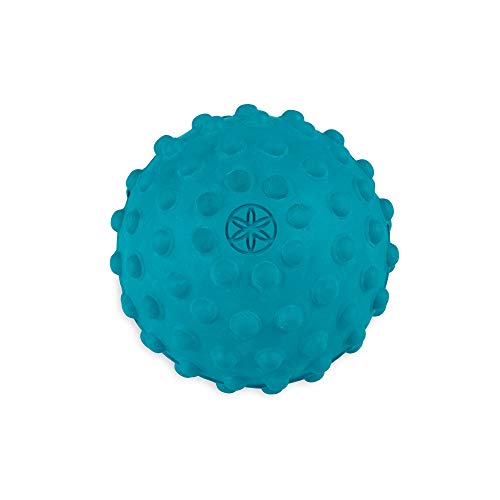
- Dual-zone texture targets arch and heel
- Lightweight 3.8-ounce design
- Convenient for home or office use
Best For: Athletes needing a portable, targeted roller
Best Recovery Kit

- Four-piece roller and massage-ball set
- Supports hot or cold massage
- Useful before and after activity
Best For: Athletes wanting versatile, full-body recovery tools
Best for Travel
Due North Foot Rubz Massage Ball

- Travel-size tool for targeted pressure
- Dense rubber flat spikes adjust to pressure
- Designed not to mark floors
Best For: Runners and athletes needing portable recovery
Portable Deep-Tissue Relief

- Ergonomic arch-focused shape
- Compact 4-ounce design
- Deep-tissue and acupressure rolling
Best For: Runners and athletes needing portable arch and heel relief
Versatile Hot-or-Cold Recovery

- Ridged arch and heel massage
- Usable warm or frozen
- Durable, non-slip rubber construction
Best For: Athletes wanting versatile daily and post-workout foot care
Adjustable Intensity Set

- Beginner and Enhanced rollers
- Gradual pressure progression
- Curved design targets the arch
Best For: Athletes wanting two massage intensities for progressive foot care
Targeted Relief Pick
Portable Acupressure Foot Roller

- 60 enlarged convex acupressure points
- Lightweight rubber construction
- Compact for gym bags and travel
Best For: Athletes wanting portable arch and heel massage
Versatile Recovery Set

- Includes roller, lacrosse ball, and spiky ball
- Washable, durable rubber tools
- Cotton storage bag included
Best For: Athletes wanting varied foot and trigger-point massage
High-Point Coverage Pick

- 459 precise massage points
- Curved design suits varied foot shapes
- Lightweight, water-resistant PP construction
Best For: Athletes wanting firm, broad sole coverage
Best Overall Wooden Roller – TheraFlow Foot Roller
For athletes who prefer firm, manual pressure, this wooden option is one of the more substantial foot rollers for athletes. Its five massage rows combine ridged acupressure surfaces with reflexology nubs, while the non-slip base supports controlled use at home, work, or during recovery.
Best For: Runners, active people, and anyone wanting a sturdy full-sole roller for daily recovery.
Pros:
- Five rows provide varied stimulation from heel to toe.
- Wood construction offers a firm, grounded feel and weighs 1.65 pounds.
- Non-slip base supports stable, controlled rolling.
- Portable design works at home, in the office, or on the go.
Cons:
- Firm wooden pressure may not suit users seeking a softer massage.
- Manual rolling requires active participation.
- Not water resistant.
This is a practical pick when durability, broad sole coverage, and firm pressure matter more than compact minimalist design.
Best Compact Roller – Gaiam Restore Foot Massage Roller
The Gaiam Restore is a compact choice among foot rollers for athletes, focusing on arch, heel, and ball-of-foot relief. Its textured dual-zone surface and lightweight 3.8-ounce design make it easy to keep in an office, gym bag, or recovery area.
Best For: Athletes who want a small, simple roller for plantar fascia and targeted foot relief.
Pros:
- Dual-zone textured roller targets the arch, heel, and ball of the foot.
- Compact 8.5-inch form is easy to store and carry.
- Manual operation needs no batteries or charging.
- Designed for home and office use.
Cons:
- Its narrow design provides less full-sole coverage than larger rollers.
- Plastic and rubber construction may feel less substantial than wood.
- The supplied details list no manufacturer warranty.
Choose this model when portability and straightforward targeted rolling are higher priorities than a multi-tool recovery kit.
Best Recovery Kit – Vive Massage Ball Set
For athletes who want more than a single roller, the Vive set combines a foot roller with three massage balls. It supports pre-workout warmups and post-workout release, with hot-or-cold use and different ball textures for targeted trigger-point and myofascial work.
Best For: Active users seeking a versatile foot-and-body recovery kit for warmups, cooldowns, and targeted massage.
Pros:
- Includes a roller, two studded balls, and one smooth lacrosse-style ball.
- Components can be warmed in hot water or frozen for cooling massage.
- Different textures and firmness levels support varied trigger-point work.
- Lightweight, portable, and suitable for gym, office, or travel use.
Cons:
- Includes more pieces to organize than a standalone roller.
- Hot and cold preparation requires additional time.
- Not water resistant.
This is the strongest fit for athletes who want one portable set that can address feet and other muscle areas rather than only rolling the sole.
Best for Travel – Due North Foot Rubz Massage Ball
The Due North Foot Rubz is a small, direct option among foot rollers for athletes. Its dense rubber ball has flat spikes that provide adjustable pressure for trigger points, while the travel-size design makes it convenient for runners, gym users, and people recovering away from home.
Best For: Runners and athletes who need a compact, pressure-adjustable tool for travel or post-training use.
Pros:
- Small, portable design fits home, office, gym, or travel routines.
- Dense rubber flat spikes adapt to applied pressure.
- Designed not to mark flooring like some spiky massage balls.
- Made in the United States.
Cons:
- Ball format offers more targeted coverage than full-sole rolling.
- Requires users to control pressure and positioning themselves.
- Not water resistant.
Pick the Foot Rubz when portability and simple, focused trigger-point work matter more than broad foot coverage or extra accessories.
Portable Deep-Tissue Relief – BESKAR Foot Roller
For athletes who want foot rollers for athletes that can travel easily, the BESKAR combines a compact design with deep-tissue rolling and acupressure. Its curved shape is intended to follow the foot arch, making it practical after running, fitness sessions, or long workdays.
Best For: Runners and active users seeking a lightweight, portable roller for arch, heel, and plantar fasciitis discomfort.
Pros:
- Ergonomic shape follows the natural curve of the foot arch.
- Portable 6-inch design fits easily in a gym bag, office bag, or training-room kit.
- Manual rolling supports deep-tissue, trigger-point, and reflexology-style massage.
- Weighs only 4 ounces.
Cons:
- Manual rolling requires the user to control pressure and movement.
- It is not water resistant.
- The compact roller may provide a narrower massage area than a larger foot massager.
The BESKAR is a straightforward choice when portability matters most. Its arch-focused shape and firm massage positioning make it well suited to post-run or post-training foot care.
Versatile Hot-or-Cold Recovery – THERABAND Foot Roller
The THERABAND is one of the more versatile foot rollers for athletes, with ridges for arch and heel massage and a rubber design that can be used warm or cold. Its compact size also makes it convenient for post-workout recovery at home, the office, or while traveling.
Best For: Athletes who want a durable, non-slip roller for daily massage, physical therapy routines, and warm-or-cold foot care.
Pros:
- Ridged surface targets the arches and heels.
- Can be used warm or frozen for added relief.
- Non-slip rubber surface supports controlled use while seated.
- One-piece construction is easy to rinse and reuse.
Cons:
- At 16 ounces, it is heavier than the BESKAR roller.
- The product is not water resistant, despite being rinse-cleanable.
- Its 5-inch length may offer limited coverage for larger feet.
The THERABAND stands out for flexibility: athletes can use it as a simple rolling massager or add warm-or-cold treatment. It is a practical option for repeat recovery sessions and physical therapy routines.
Adjustable Intensity Set – APRELM Foot Rollers
The APRELM set gives athletes two foot rollers for athletes with different pressure preferences: a softer Beginner version and a firmer Enhanced version. This makes it useful for gradually increasing massage intensity during daily foot care or recovery from training.
Best For: Active users who want beginner-friendly and deeper-pressure options in one portable plantar fasciitis relief set.
Pros:
- Includes Beginner and Enhanced rollers for adjustable intensity.
- Fine massage points offer gentler pressure for new users.
- Larger, deeper points provide firmer pressure when desired.
- Curved design targets the foot arch and stores easily for home, office, or travel.
Cons:
- The set is designed for manual use, so pressure depends on the user.
- Its listed dimensions may make it less compact than a small single roller.
- The notes specify a two-pack set but do not identify the individual roller weights.
APRELM is a strong fit for athletes sharing a roller set or building tolerance gradually. Having two pressure levels is its main advantage over a single-intensity design.
Targeted Relief Pick – Portable Acupressure Foot Roller
For athletes who want a simple recovery tool, this compact option is one of the more straightforward foot rollers for athletes. Its 60 enlarged convex points provide firm, targeted pressure for the arch, heel, and sole, while the manual design makes it easy to use at home, in the office, or after training.
Best For: Runners, fitness enthusiasts, and athletes seeking portable arch, heel, or plantar fascia massage.
Pros:
- Portable 6.1-inch rubber roller weighs just 8.96 ounces.
- Firm-but-comfortable rubber construction is designed for rolling acupressure massage.
- Can be used while seated, in bed, or during yoga.
Cons:
- Provides one massage format rather than interchangeable tools.
- Firm convex points may feel intense for users who prefer gentler pressure.
This is a practical single-tool choice for athletes who value portability and targeted pressure. It is especially convenient for keeping in a gym bag or using during downtime after activity.
Versatile Recovery Set – Roller and Massage Ball Kit
Athletes who prefer more than one way to work on sore feet may appreciate this set of foot rollers for athletes. It includes a foot roller, lacrosse ball, and spiky ball, allowing you to vary pressure and target foot fatigue, post-exercise soreness, and plantar fascia discomfort.
Best For: Active users who want multiple manual massage tools for foot recovery and trigger-point work.
Pros:
- Includes a roller, lacrosse ball, and spiky ball.
- Rubber tools are described as washable, durable, and non-toxic.
- Compact design includes a matching cotton storage bag for portability.
Cons:
- The set weighs 16 ounces, making it heavier than the single roller options.
- It is not water resistant.
This kit offers the broadest massage variety of the three options. It makes sense for athletes who want to switch between rolling and more focused ball-based pressure rather than relying on a single tool.
High-Point Coverage Pick – 459-Point PP Foot Roller
For athletes looking for extensive sole coverage, this is a firm, purpose-built option among foot rollers for athletes. Its 459 massage points and curved design are intended to contact the heel, arch, and sole, while durable polypropylene keeps the roller lightweight and easy to clean.
Best For: Runners and active users who prefer firm acupressure and broad contact across the foot.
Pros:
- Features 459 precise massage points for detailed acupressure.
- Curved ergonomic shape is designed to accommodate different foot shapes, including high arches.
- Lightweight 230-gram PP construction is water resistant, odor free, and easy to clean.
Cons:
- Its firm polypropylene construction may be too intense for users seeking soft cushioning.
- It is a single roller rather than a multi-tool recovery set.
This model stands out for its high number of massage points and firm, consistent feel. Choose it if broad sole contact and easy maintenance matter more to you than having multiple massage accessories.
How We Picked the Best Foot Rollers for Athletes
We focused on practical features that affect everyday recovery rather than relying on marketing claims. Our comparison considers roller shape, massage-point density, material durability, ease of cleaning, portability, and how well each design can target the arch, heel, and forefoot.
We also included both traditional rolling tools and massage-ball sets. A compact ball can provide more precise pressure, while a longer roller may feel more stable and easier to use while seated. Because comfort and pressure preference vary, no single design is ideal for every athlete.
Quick Comparison
- Best for adjustable routines: Multi-piece sets with different textures or sizes.
- Best for portability: Compact massage balls and small single-foot rollers.
- Best for firm stimulation: Spiky or acupressure-style rollers.
- Best for beginners: Smooth or moderately textured rollers with controlled pressure.
- Best for stability: Wider wooden or contoured rollers used while seated.
Key Buying Factors for Foot Rollers for Athletes
Texture and Pressure
Raised points can deliver a deeper, more focused sensation, but they may feel too intense after a hard session or for sensitive feet. Smooth and lightly textured rollers are generally easier to control. Start with gentle pressure and increase gradually.
Construction and Durability
Wooden rollers are firm and often durable, while plastic or polypropylene models are typically lightweight and easy to wipe clean. Check that the roller turns smoothly and that its frame or axle feels secure.
Size and Portability
A compact roller is convenient for a gym bag, desk drawer, or travel. Larger designs may provide better stability and a broader contact area but take up more space. Consider where you will use it most often.
Versatility
Sets can be useful if multiple athletes share the tool or if you want different pressure levels for the arch, heel, and forefoot. A single dedicated roller may be the better value if you prefer a simple daily routine.
Safe Use
Use these tools for temporary massage and relaxation, not as a substitute for diagnosis or treatment. Avoid rolling over open wounds, significant swelling, numb areas, or acute injuries. Stop if pain becomes sharp, worsening, or persistent, and consult a qualified clinician when needed.
Who Should Buy Which Foot Rollers for Athletes?
Choose a textured roller if you like firm stimulation and want to focus on tight arches or tired soles. Choose a smoother roller if you are new to self-massage or prefer a gentler warm-up and cooldown.
Choose a massage-ball set if you want precise pressure, multiple intensity options, or a tool that travels easily. Choose a wider wooden or contoured model if you mainly use it seated at home or under a desk and value stability.
For most athletes, the best choice is the model that matches your preferred pressure and is convenient enough to use consistently. Regular, controlled sessions are usually more practical than choosing the most aggressive texture.