If you run often, recovery gear can make a real difference in how you feel the next day. Compression boots are designed to help reduce post-run heaviness, support circulation, and give your legs a more refreshed feel after hard sessions.
Below, we break down the best compression boots for runners based on recovery features, comfort, adjustability, and overall value so you can choose with confidence.
Best 10 Compression Boots for Runners Picks for 2026
Professional Sequential Recovery

- 4-chamber sequential compression
- 8 intensities, 3 modes, 3 timers
- Built-in pressure sensor, carry bag
Best For: Runners who want adjustable full-leg post-workout recovery
Custom Comfort Recovery
SAN HIMA Air Compression Leg Massager

- Automatic leg-shape sensor
- 6 modes, 6 intensity levels
- Carry bag and 1-year warranty
Best For: Runners who want a customizable recovery massage
Precision Relief Choice
KNQZE Full Leg Compression Massager

- 11 intensity levels, 6 modes
- Dynamic pressure-sensing fit
- LCD controller with memory
Best For: Runners wanting high customization and stronger pressure control
Professional Recovery Upgrade
QUINEAR Large Sequential Leg Boots
- Large-fit 4-chamber compression
- 8 intensities, 3 modes, 3 timers
- FSA-HSA eligible with carry bag
Best For: Runners needing a larger sequential compression system
Elite Full-Leg Recovery
Compression Boots for Runners with 6 Intensities

- 5 chambers for sequential full-leg compression
- 6 intensities, 6 modes, and 3 timer options
- Fast inflation with quiet 50-55 dB operation
Best For: Runners who want a powerful, highly adjustable full-leg recovery system
Fast Recovery Pick
FIT KING Air Compression Boots for Runners

- 4 chambers cover feet, calves, knees, and thighs
- Sensor-controlled pressure adapts to leg size
- 3 modes, 8 intensities, and 3 time settings
Best For: Runners who want an easy-to-use recovery system with quick inflation
Easy-Fit Recovery
CINCOM Compression Boots for Runners

- 360° air pressure massage for feet and lower legs
- 3 modes and 3 intensity levels
- Sensor system and zipper design improve comfort and fit
Best For: Runners who want a comfortable, easy-to-wear compression system
Pro-grade Foot/Calf Recovery

- Foot-and-calf compression only
- Up to 140 mmHg pressure
- 10 massage programs with digital control
Best For: Runners who want targeted lower-leg recovery
Full-Leg Dynamic Recovery
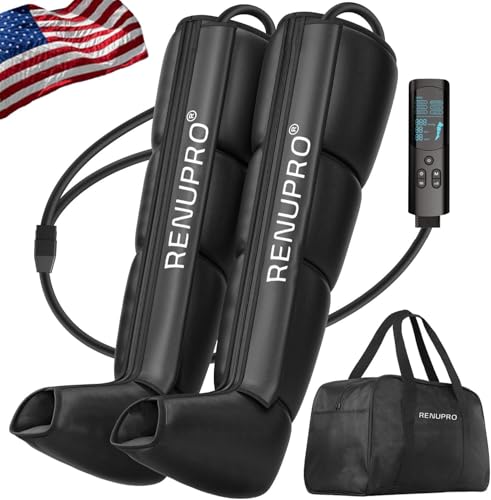
- Covers feet, calves, knees, and thighs
- 6 modes and 9 strength levels
- Smart sensors with full-zipper design
Best For: Runners who want full-leg recovery coverage
Adaptive Sequential Recovery
MUSUGY Full-Leg Compression Boots

- Five chambers for sequential full-leg coverage
- 9 pressure levels with 6 modes
- Pressure sensor plus memory function
Best For: Runners who want customizable full-leg compression
Professional Sequential Recovery – QUINEAR 4-Chamber Leg Boots
If you want compression boots for runners that feel structured and workout-focused, this QUINEAR system is built around sequential air compression across the foot, lower calf, upper calf, and thigh. It’s aimed at improving circulation, easing soreness, and helping with post-run recovery through adjustable pressure settings and timer options.
Best For: Runners and athletes who want a straightforward, full-leg recovery system with strong pressure customization.
Pros:
- 4 air chambers deliver sequential compression from foot to thigh.
- 8 intensity levels and 3 modes offer flexible recovery sessions.
- Built-in pressure sensor helps adapt to different leg sizes.
- Carry bag and compact design make it easier to store and transport.
Cons:
- No heat settings are included.
- Corded electric design limits where you can use it.
Overall, this is a solid recovery option if you want a more professional-style compression setup without a lot of extra features. The focus here is on adjustable air pressure, full-leg coverage, and recovery after hard training.
Custom Comfort Recovery – SAN HIMA Air Compression Leg Massager
For runners looking at compression boots for runners with a more customized feel, this SAN HIMA model combines full-leg air compression with automatic leg-shape sensing. It covers the feet, calves, and thighs, while offering multiple modes and intensity levels for sessions that can be kept light or made more restorative after training.
Best For: Runners who want a customizable, easy-to-use compression system for regular recovery at home or on the go.
Pros:
- 4 air chambers provide 360° compression across feet, calves, and thighs.
- Built-in sensor automatically adjusts to your leg shape.
- 6 modes, 6 intensity levels, and 3 timer settings add versatility.
- Includes a carry bag and comes with a 1-year warranty.
Cons:
- It is corded, so it is less convenient for truly mobile use.
- No heat function is mentioned in the supplied notes.
This is a strong pick if you want a recovery device that feels adaptable without being complicated. The memory feature and automatic fit adjustment make it especially appealing for repeat use after runs and gym sessions.
Precision Relief Choice – KNQZE Full Leg Compression Massager
If you want compression boots for runners with a more data-driven feel, this KNQZE model uses dynamic pressure-sensing technology to adjust to your leg shape and help prevent over-inflation. It targets the foot, lower calf, upper calf, and thigh with sequential compression, making it a practical pick for post-run soreness and heaviness.
Best For: Runners who want strong customization, higher pressure options, and a simple LCD-controlled recovery routine.
Pros:
- 11 intensity levels and 6 modes offer a wide adjustment range.
- Dynamic pressure sensing helps tailor the fit and avoid over-inflation.
- Sequential 4-chamber design targets the full leg in order.
- LCD controller and memory function make it easy to reuse preferred settings.
Cons:
- Only the medium size is described in the supplied notes.
- It is corded electric, so it is not a cordless recovery option.
This model stands out if you care about control and pressure range more than simplicity. The combination of smart sensing, high intensity options, and timed sessions makes it a strong recovery tool for regular training cycles.
Professional Recovery Upgrade – QUINEAR Large Sequential Leg Boots
Among compression boots for runners, this QUINEAR version focuses on full-leg sequential compression with a larger fit and the same recovery-first approach as the brand’s other system. It uses four air chambers to move pressure from foot to thigh, with adjustable intensity, modes, and session length for post-run relaxation and soreness relief.
Best For: Runners who want a large-size sequential compression system for circulation support and muscle recovery.
Pros:
- 4 air chambers provide gradient compression from foot to thigh.
- 8 intensity levels, 3 modes, and 3 timer settings add flexibility.
- Built-in pressure sensor adjusts to different leg sizes.
- Includes a carry bag and is listed as FSA-HSA eligible.
Cons:
- No heat settings are included.
- It is corded electric, so portability is limited by power access.
If you need a larger fit and want a familiar sequential compression setup, this is a practical option. It keeps the feature set focused on circulation, soreness relief, and simple recovery customization.
Elite Full-Leg Recovery – Compression Boots for Runners with 6 Intensities
If you’re comparing compression boots for runners, this full-leg system is built for people who want strong, adjustable recovery after hard mileage or long days on their feet. It uses 5 independently controlled air chambers for sequential compression across the feet, calves, knees, and thighs, with 6 intensity levels and 6 modes so you can dial in the feel.
Best For: Runners and athletes who want a powerful, highly adjustable full-leg compression system for post-workout recovery.
Pros:
- 5 air chambers deliver sequential compression across feet, calves, knees, and thighs
- 6 intensity levels and 6 compression modes for more customized sessions
- Fast 30-second inflation and low-noise operation at 50-55 dB
- Includes 15, 20, and 25 minute timer options plus auto shut-off
Cons:
- Not recommended for users sensitive to high-pressure massage
- Fit is size-dependent, so the inseam and thigh measurements need checking before ordering
- Corded electric design limits portability
This is a strong pick if you want a more forceful recovery tool with lots of control. The larger feature set and higher pressure range make it especially appealing for runners who like a deeper compression feel after training.
Fast Recovery Pick – FIT KING Air Compression Boots for Runners
For runners who want a straightforward recovery option, these compression boots for runners focus on fast inflation, full-leg coverage, and easy operation. The system uses 4 airbag chambers and independent air channels to compress the feet, calves, knees, and thighs, while the sensor control helps adjust pressure based on leg size.
Best For: Runners and fitness enthusiasts who want an easy-to-use recovery system with quick inflation and adjustable pressure.
Pros:
- 4 airbag chambers provide compression across the full leg
- Sensor system adjusts pressure to better match different leg sizes
- 3 modes, 8 pressure levels, and 3 time settings for flexible sessions
- Large-capacity air pump helps inflate and deflate faster with lower noise
Cons:
- Only 4 airbag chambers, so the compression layout is simpler than some competitors
- Not water resistant
- Medium size may not suit every runner, so fit still matters
This model is a practical choice if you want recovery boots without a complicated setup. The combination of fast inflation, sensor-controlled pressure, and multiple intensity settings makes it appealing for regular post-run use.
Easy-Fit Recovery – CINCOM Compression Boots for Runners
If you want compression boots for runners that emphasize comfort and simplicity, this CINCOM model uses air compression to create a 360° massage on the feet and lower legs. It offers 3 modes and 3 intensity levels through an HD LCD controller, plus an intelligent sensor system that adjusts inflation to the shape of your legs and feet.
Best For: Runners who want a comfortable, easy-to-wear compression system with simple controls and adjustable pressure.
Pros:
- 360° air pressure massage targets feet and lower legs
- 3 modes and 3 intensity levels keep operation simple
- Intelligent sensor system helps regulate pressure based on leg shape
- One-piece zipper design makes it easier to put on and take off
Cons:
- Fewer customization options than models with more modes or intensity levels
- Coverage is focused on feet and lower legs, not the full thigh area
- Best for people in good health, per the product details
This is a solid option if you want a lower-fuss recovery tool for regular use after running. Its zipper design and pressure-sensing system make it especially appealing for runners who value ease of wear over maximum complexity.
Pro-grade Foot/Calf Recovery – QUINEAR Leg Recovery System
If you want compression boots for runners that focus on the feet and calves, this QUINEAR system is built for straightforward post-run recovery. It uses air compression therapy with multiple modes and pressure levels to help with circulation, leg pain relief, and muscle relaxation after training or long standing days.
Best For: Runners who want a corded foot-and-calf compression system with adjustable pressure and simple daily recovery use.
Pros:
- 3-channel air compression with 3 modes, 3 intensities, and 10 massage programs
- Pressure range goes up to 140 mmHg, with lower settings for lighter sessions
- Digital handheld controller shows massage location and pressure clearly
- Zipper-and-sleeve design is made for easier wear and cleaning
Cons:
- Covers feet and calves only, not thighs
- Corded electric design limits portability
- One-size calf fit may not suit every leg shape equally
Overall, this is a practical choice if you want a simpler recovery setup with targeted lower-leg compression rather than a full-leg system. It leans more toward dependable daily relief than advanced whole-leg coverage.
Full-Leg Dynamic Recovery – RENUPRO Air Compression Boots
These compression boots for runners are aimed at full-leg recovery, covering the feet, calves, knees, and thighs in one session. The system uses dynamic air compression, smart pressure sensors, and sequential chambers to support circulation, reduce swelling, and help tired legs feel fresher after hard efforts.
Best For: Runners who want full-leg compression boots with adjustable settings, fast coverage, and a longer recovery session.
Pros:
- Full-leg coverage from feet to thighs in one session
- 6 modes, 9 strength levels, and 15/20/25-minute timer options
- Smart pressure sensor and overlapping air chambers for sequential squeeze
- Full-zipper design for easier on-and-off use
Cons:
- Standard size is limited to a 29″-34″ inseam and 30″ max thigh circumference
- Corded setup requires an outlet
- Larger full-leg design may feel bulkier than calf-only options
This is the most complete recovery option in the group if you want coverage beyond the calves. It stands out for runners who prioritize configurable sessions and full-leg compression therapy at home.
Adaptive Sequential Recovery – MUSUGY Full-Leg Compression Boots
If you’re comparing compression boots for runners, this MUSUGY model is built around sequential full-leg pressure with fine-tuned control. It uses five air chambers, pressure sensing, and multiple zone modes to support circulation, reduce fatigue, and deliver more customized recovery after training or long days on your feet.
Best For: Runners and fitness users who want a feature-rich full-leg compression system with adaptive pressure and zone-specific modes.
Pros:
- Five air chambers cover foot, calf, knee, and thigh zones in sequence
- 9 pressure levels, 6 modes, and 3 timer settings for flexible sessions
- Built-in pressure sensor helps balance air output across chambers
- Memory function resumes your last settings for faster setup
Cons:
- Best fit is specific, with an inseam of 36 inches or longer and up to 31″ thigh circumference
- Corded unit is less convenient for travel
- More advanced controls may be more than casual users need
For runners who want more control over how compression is applied, this is the most adjustable option here. Its zone modes and adaptive pressure make it a strong pick for structured recovery routines.
How We Picked the Best Compression Boots for Runners
For this roundup, we focused on Compression Boots for Runners that offer practical recovery benefits, not just flashy extras. Priority went to sequential compression designs, multiple intensity levels, good fit options, and controls that are easy to use after training. We also favored models aimed at legs and feet, since those are the areas most runners want to recover fastest.
Quick Comparison
The main differences among these systems usually come down to leg coverage, pressure customization, session feel, and portability. Some models are built for simple home use, while others lean toward more adjustable, athlete-focused recovery. If you want the most versatile option, look for a system that balances full-leg coverage with enough pressure settings to match light recovery days and harder training blocks.
Key Buying Factors for Compression Boots for Runners
Coverage and Fit
Check whether the boot covers the foot, calf, and thigh, and make sure the size range matches your legs. A better fit usually means more even compression and a more comfortable session.
Pressure Levels and Modes
Runners with frequent soreness often benefit from multiple intensity settings and sequential inflation patterns. These features let you start gently and increase pressure as needed.
Recovery Goals
Think about what you want most: faster post-run recovery, better-feeling legs after long mileage, or general circulation support. That will help you decide whether a basic circulation model or a more advanced athlete recovery system makes the most sense.
Ease of Use
Simple controls, clear settings, and a setup that does not take much effort matter more than many buyers expect. If you plan to use the boots regularly, convenience can determine whether they become part of your routine.
Noise, Portability, and Storage
Home recovery devices vary in size and sound level. If you plan to move the system between rooms or store it in a small space, check how compact the controller and boots are before buying.
Who Should Buy Which Compression Boots for Runners?
Competitive runners and high-mileage athletes should look for adjustable, sequential systems with stronger customization. Casual runners or gym-goers may prefer a simpler model that focuses on circulation and general leg comfort. If you are new to compression recovery, start with a straightforward option and upgrade only if you need more intensity or better fit.
In short, the best choice depends on how often you run, how much soreness you deal with, and how hands-on you want your recovery routine to be.