The best fitness trackers make it easier to understand daily movement, workouts, recovery, and sleep without adding unnecessary friction to your routine. The right choice depends on whether you prioritize simple activity tracking, advanced training tools, smartwatch features, or minimal distractions.
We compared 10 options across Fitbit, Apple, Samsung, Garmin, WHOOP, and budget-focused brands to help you find a wearable that fits your goals, phone, and preferred charging schedule.
Best 10 Fitness Trackers Picks for 2026
Best All-Around Tracker
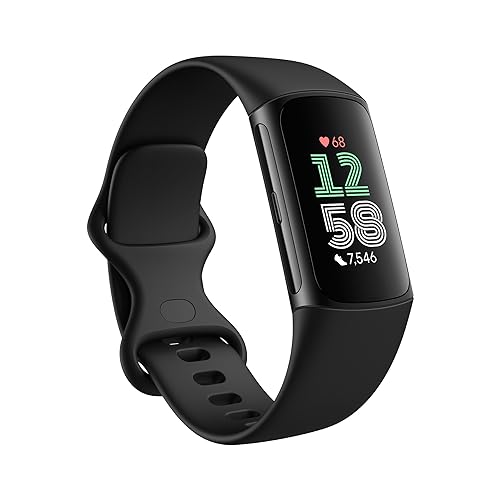
- Built-in GPS and 40+ exercise modes
- Tracks sleep, stress, heart rate, and readiness
- Up to seven days of battery life
Best For: Everyday fitness, running, and Google-connected features
Best Smartwatch-Style Pick

- Workout tracking with real-time metrics
- Health, sleep, and safety insights
- 18-hour battery with fast charging
Best For: iPhone users wanting fitness and smartwatch features
Best Light-Colored Tracker

- Porcelain band with silver case
- Built-in GPS and 40+ workout modes
- Up to seven days of battery life
Best For: Fitbit health tracking in a lighter colorway
Best Battery Life

- Up to 14 days of battery life
- Large 1.6-inch AMOLED display
- 101+ exercise modes with auto detection
Best For: Android users seeking long battery life and broad workout tracking
Advanced Recovery Wearable

- Screenless design with detailed recovery and sleep tracking
- Includes a 12-month WHOOP Peak membership
- 14+ day battery with charging while worn
Best For: Athletes and health-focused users seeking personalized recovery insights
Everyday Wellness Tracker

- Tracks activity, sleep, stress, and heart rate
- Offers 40+ exercise modes and automatic tracking
- Up to 10 days of battery life with smartphone GPS
Best For: Everyday wellness tracking and simple exercise monitoring
Budget Smart Fitness Watch

- Includes 25 sports modes and sleep tracking
- Adds calls, texts, and app notifications
- 1.1-inch AMOLED display with up to 7 days of use
Best For: Affordable everyday activity tracking with a color screen
Best Overall

- Up to 11 days of smartwatch battery life
- Built-in GPS and 30+ sports apps
- Detailed sleep, recovery, and health insights
Best For: Feature-focused training and wellness tracking
Best for Calls
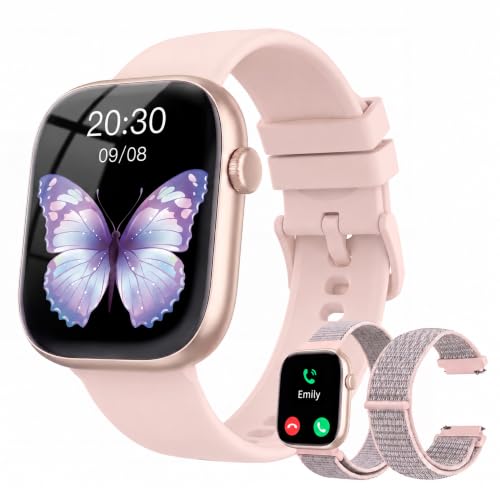
- Bluetooth calling from your wrist
- Up to 10 days of regular-use battery
- 100+ customizable watch faces
Best For: Everyday calls, notifications, and basic fitness tracking
Best Value

- 24/7 heart-rate and sleep monitoring
- 25 sports modes with connected GPS
- Up to 7 days of battery life
Best For: Affordable everyday activity and wellness tracking
Best All-Around Tracker – Fitbit Charge 6
For shoppers comparing fitness trackers, the Fitbit Charge 6 is a well-rounded option with built-in GPS, 40+ exercise modes, continuous heart-rate tracking, sleep insights, and a battery rated for up to seven days. It also adds convenient Google features, including Maps directions, Google Wallet, and YouTube Music controls.
Best For: Everyday fitness tracking, runners, and users who want a compact tracker with GPS and Google features.
Pros:
- Tracks activity, heart rate, sleep, stress, Daily Readiness, and Active Zone Minutes.
- Includes built-in GPS and more than 40 exercise modes with automatic exercise tracking.
- Offers up to seven days of battery life and 50-meter water resistance.
- Supports Google Maps directions, Google Wallet, and YouTube Music controls.
Cons:
- Some personalized coaching features require a separately sold Google Health Premium subscription.
- Compatible phone requirements vary by Android and iOS version.
The Charge 6 is a strong middle ground for people who want detailed health and workout metrics without moving to a full smartwatch. Its GPS and broad activity support make it especially practical for outdoor exercise.
Best Smartwatch-Style Pick – Apple Watch SE 3 GPS
The Apple Watch SE 3 GPS is a smartwatch-first choice among fitness trackers, combining workout monitoring with health insights, communication, and safety features. It can track activities such as running and strength training while also providing real-time metrics, sleep scoring, and iPhone-connected functions.
Best For: iPhone users who want fitness tracking alongside calls, texts, Siri, notifications, and safety tools.
Pros:
- Tracks workouts including running, strength training, and daily step goals.
- Provides sleep score, temperature-sensing insights, and sleep apnea notifications.
- Offers fall detection, severe car crash detection, and emergency-service assistance.
- Charges up to twice as fast as Apple Watch SE 2, with up to eight hours after 15 minutes.
Cons:
- Battery life is rated for 18 hours, considerably less than many dedicated fitness trackers.
- Its GPS connectivity is designed to work with an iPhone or Wi-Fi.
This model makes sense when fitness tracking is only part of what you need from a wearable. It provides broader smartwatch functionality than a traditional tracker, but its shorter battery life means more frequent charging.
Best Light-Colored Tracker – Fitbit Charge 6 Porcelain
The porcelain-and-silver Fitbit Charge 6 delivers the same broad fitness-tracking toolkit as the Charge 6 platform in a lighter-looking finish. It combines built-in GPS, 40+ exercise modes, all-day activity tracking, heart-rate monitoring, sleep scoring, and stress insights in a compact design.
Best For: Shoppers who want Fitbit’s GPS and health features with a porcelain band and silver case.
Pros:
- Includes built-in GPS, automatic exercise tracking, and more than 40 exercise modes.
- Monitors heart rate, sleep, stress response, blood oxygen, and Daily Readiness.
- Offers up to seven days of battery life and 50-meter water resistance.
- Supports Google Maps directions, Google Wallet, and YouTube Music controls.
Cons:
- Google Health Premium coaching is a separate subscription after the included trial.
- The white band may require more visible upkeep than a darker option.
- Phone compatibility depends on supported Android or iOS versions.
Choose this version if you prefer the porcelain-and-silver colorway but still want a capable daily tracker. It is particularly useful for users who value GPS workouts, sleep information, and Google services in one wearable.
Best Battery Life – Samsung Galaxy Fit3
The Samsung Galaxy Fit3 stands out among fitness trackers for its large 1.6-inch AMOLED display and battery rated for up to 14 days. It offers more than 100 exercise modes, automatic workout detection, sleep coaching, blood-oxygen monitoring, and heart-rate tracking in a swim-ready, dust-resistant design.
Best For: Android users who prioritize long battery life, a larger display, and a wide selection of workout modes.
Pros:
- Provides up to 14 days of battery life with a 208mAh battery.
- Includes 101+ workout modes with automatic detection for common exercises.
- Features a 1.6-inch AMOLED display and sleep, SpO2, heart-rate, and snore tracking.
- Offers 5ATM and IP68 water resistance for active use.
Cons:
- It does not include GPS, so it is not ideal for standalone route tracking.
- Compatible with Android devices only and not with iPhone or iOS.
- This international model has no US warranty, and Samsung Pay is not supported.
The Galaxy Fit3 is a practical choice for Android owners who would rather charge less often than use advanced standalone navigation. Its main compromises are the lack of GPS and limited iOS compatibility, so check device support before buying.
Advanced Recovery Wearable – WHOOP 5.0/MG
For athletes and health-focused users who want detailed insights without a traditional watch display, the WHOOP 5.0/MG is one of the more specialized fitness trackers. It continuously monitors health, sleep, recovery, stress, and training metrics through the WHOOP app.
Best For: Users who prioritize recovery, sleep analysis, personalized coaching, and screen-free wearability.
Pros:
- Includes the WHOOP 5.0 device, SuperKnit band, and Waterproof Wireless PowerPack with a 12-month Peak membership.
- Tracks extensive health, sleep, stress, recovery, and activity data, with AI coaching in the app.
- Offers 14+ days of battery life and charging while worn.
- Provides women’s health and hormonal health insights, including cycle tracking.
Cons:
- The screenless design means you need the app to review your data.
- Its detailed coaching and health features may be more than casual users need.
The WHOOP 5.0/MG stands out for users who want actionable recovery and sleep guidance rather than smartwatch-style notifications or on-device controls. Its membership-centered design makes the included 12-month subscription an important part of the purchase.
Everyday Wellness Tracker – Fitbit Inspire 3
The Fitbit Inspire 3 is a compact choice for everyday fitness tracking, combining activity monitoring with sleep, stress, heart-rate, and menstrual health features. Its straightforward design and broad smartphone compatibility make it practical for building consistent wellness habits.
Best For: Users who want an easy-to-wear tracker for daily activity, sleep, stress, and exercise monitoring.
Pros:
- Tracks activity, heart rate, sleep, stress, blood oxygen, and menstrual health.
- Includes 40+ exercise modes, automatic exercise tracking, and reminders to move.
- Provides a color touchscreen, smart wake alarm, and up to 10 days of battery life.
- Works with Apple iOS 16.4 or higher and Android OS 11.0 or higher.
Cons:
- GPS functionality is provided through a smartphone rather than built in.
- Some health and wellness features may depend on the Fitbit app experience.
With its light build, 50-meter water resistance, and wide range of wellness tools, the Inspire 3 is a balanced option for routine tracking. It is better suited to general activity and health monitoring than advanced standalone sports navigation.
Budget Smart Fitness Watch – 25-Sport Activity Tracker
This budget-oriented fitness tracker combines basic health monitoring, workout modes, and smartphone notifications in a watch-style design. Its 1.1-inch AMOLED touchscreen provides an accessible way to view activity data, sleep scores, and incoming alerts.
Best For: Users seeking an affordable tracker with a color display, multiple sports modes, and basic smart notifications.
Pros:
- Offers 25 sports modes for activities such as walking, running, dancing, and yoga.
- Tracks heart rate, blood pressure, blood oxygen, steps, calories, and sleep.
- Displays call, text, and app notifications when connected to a phone.
- Uses a 1.1-inch AMOLED touchscreen with customizable watch dials.
Cons:
- Battery life is listed at up to 7 days with regular use.
- It requires a compatible Android or iOS smartphone for app connectivity and notifications.
- The supplied notes do not specify a brand name or a supported app.
This tracker is a sensible pick when a visible screen and basic smartwatch conveniences matter more than an established ecosystem. It covers common fitness and notification needs while keeping the feature set relatively simple.
Best Overall – Garmin vívoactive 5
For shoppers comparing fitness trackers, the Garmin vívoactive 5 stands out as a feature-rich option with a bright AMOLED display, built-in GPS, extensive health insights, and up to 11 days of battery life in smartwatch mode.
Best For: People who want detailed fitness, recovery, sleep, and health tracking in a capable GPS smartwatch.
Pros:
- AMOLED display and up to 11 days of smartwatch battery life
- Tracks Body Battery, sleep score, naps, stress, heart rate, and HRV status
- More than 30 built-in sports apps plus advanced training and recovery features
- Supports wheelchair activity tracking and phone-free music downloads
Cons:
- Its broad set of training and health features may be more than casual users need
- Some health metrics are estimates intended for reference
The vívoactive 5 is the strongest all-around choice here for users who value Garmin’s training ecosystem, GPS sports tracking, and actionable recovery information over a simpler tracker experience.
Best for Calls – T7 Women’s Smart Watch
Among fitness trackers, this T7 smartwatch is a practical everyday option for shoppers who want activity monitoring alongside wrist-based calls, notifications, and customizable styling.
Best For: Women seeking a lightweight smartwatch with calling, health reminders, and basic multi-sport tracking.
Pros:
- Supports Bluetooth calls with a built-in speaker and microphone
- Tracks heart rate, blood oxygen, stress, sleep, steps, calories, and workout duration
- Offers over 100 watch faces, including customizable photo options
- Up to 10 days of regular-use battery life and compatibility with iOS and Android
Cons:
- IP67 protection is intended for sweat, rain, and handwashing, not swimming or hot showers
- Its fitness tracking is less specialized than a dedicated GPS-focused sports watch
The T7 makes sense when communication and everyday convenience matter as much as fitness basics. Its calling features, reminders, and style customization broaden its appeal beyond workout tracking.
Best Value – AMOLED Fitness Tracker
This fitness tracker combines a compact 1.10-inch AMOLED screen with continuous heart-rate monitoring, sleep tracking, 25 sports modes, and practical reminders for an affordable everyday wellness companion.
Best For: Users who want core activity, sleep, and notification tracking with a compact AMOLED display and straightforward features.
Pros:
- AMOLED touchscreen with customizable watch faces
- 24/7 heart-rate tracking plus breathing rate and HRV information
- Includes sleep monitoring, 25 sports modes, connected GPS, and IP68 water resistance
- Provides up to 7 days of battery life and supports call, SMS, and social notifications
Cons:
- GPS requires a connected phone rather than built-in GPS
- Health readings are for reference and do not replace medical advice
This model is a sensible pick for basic wellness tracking without the complexity of a premium sports smartwatch. Choose it if a smaller display, connected GPS, and essential smart features fit your routine.
How We Picked These Fitness Trackers
We selected products that cover a range of needs and budgets, from compact activity bands to full smartwatches and screen-free recovery wearables. Our comparison focuses on the features that matter most in daily use: heart-rate tracking, sleep monitoring, exercise support, battery life, water resistance, GPS, phone compatibility, comfort, and the availability of paid memberships or companion apps.
Because specifications and included accessories can vary by size, color, retailer, and region, check the current listing before buying. Pay particular attention to subscription requirements, band sizing, and whether built-in GPS is included.
Quick Comparison
| Best For | Look For | Potential Trade-Off |
|---|---|---|
| Everyday health tracking | Fitbit or Samsung activity bands | Fewer advanced smartwatch features |
| iPhone users | Apple Watch SE | Shorter battery life and limited Android support |
| Training and GPS workouts | Garmin vívoactive 5 | Larger watch-style design |
| Recovery and sleep focus | WHOOP 5.0/MG | Membership cost and no conventional screen |
| Budget-friendly basics | Inspire 3 or generic trackers | Less refined software or sensor accuracy |
Key Buying Factors for Fitness Trackers
Phone Compatibility and Apps
Confirm that the tracker works with your phone before ordering. Apple Watch models are designed primarily for iPhone users, while Fitbit, Garmin, Samsung, and many basic trackers support broader platforms with varying feature limitations. A well-designed app is also important because most long-term insights appear there rather than on the device.
Sensors and Health Features
Heart-rate monitoring, step counting, sleep stages, blood oxygen estimates, stress tools, and workout tracking are common, but performance varies. Treat blood pressure readings and other wellness measurements from consumer wearables as informational rather than medical diagnoses. Choose a device with the sensors and metrics that match your goals instead of paying for features you will not use.
GPS, Exercise Modes, and Water Resistance
Built-in GPS is useful for tracking outdoor walks, runs, and rides without carrying a phone. Connected GPS can be sufficient for casual workouts but depends on your smartphone. If you swim or exercise outdoors, check the exact water-resistance rating and usage limitations.
Battery Life and Comfort
Smartwatches typically require more frequent charging than slim bands. Consider whether you can comfortably remove the device for charging and whether its size suits overnight wear. Lightweight bands are often better for continuous sleep tracking, while larger watches may offer clearer displays and more controls.
Who Should Buy Which Fitness Trackers?
Choose Fitbit Charge 6 or Inspire 3 if you want straightforward health and activity tracking in a compact form. The Samsung Galaxy Fit3 is a strong option for users who prefer a bright display and long battery life. iPhone owners wanting notifications, calls, apps, and smartwatch functionality should consider the Apple Watch SE.
For structured workouts, GPS, and broader training tools, the Garmin vívoactive 5 is the more fitness-focused choice. WHOOP is better suited to users who value recovery, sleep, and strain analysis and are comfortable with a membership model. The budget-oriented trackers may work for basic steps, heart rate, and sleep monitoring, but buyers should set realistic expectations for app quality, accuracy, and long-term support.