The best foam rollers for athletes can help ease post-workout tightness, support mobility work, and make recovery more convenient at home or in the gym. The right choice depends on firmness, size, texture, and how precisely you want to target sore muscles.
We’ve compared 10 popular options, including compact massage rollers, long high-density models, and versatile sets, to help you find a practical fit for your training routine and budget.
Best 10 Foam Rollers for Athletes Picks for 2026
Deep-Tissue Pick

- Extra-firm EVA foam with a hollow core
- Multi-density ridges and nodules for targeted pressure
- Durable 13-inch design for repeated use
Best For: Experienced athletes wanting focused, deep-tissue recovery
Adjustable Pressure Pick
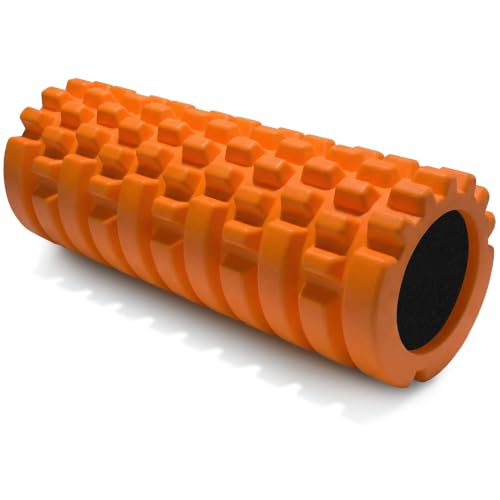
- Three projection zones for varied massage intensity
- Medium-density EVA foam over a strong EPP core
- Designed for back, arms, feet, and whole-body use
Best For: Athletes wanting customizable pressure in one roller
Complete Recovery Kit

- Eight-piece kit with roller, stick, balls, and strap
- Extra-firm high-density foam supports up to 300 pounds
- Portable nylon bag included for transport
Best For: Athletes wanting a versatile, travel-ready recovery system
Gentler Daily Pick

- Soft firmness for more comfortable rolling
- Multi-density GRID pattern for targeted compression
- Durable solid EVA foam in a 12-inch format
Best For: Athletes wanting gentler daily recovery and mobility work
Reliable Everyday Recovery
Amazon Basics 18-Inch High-Density Foam Roller
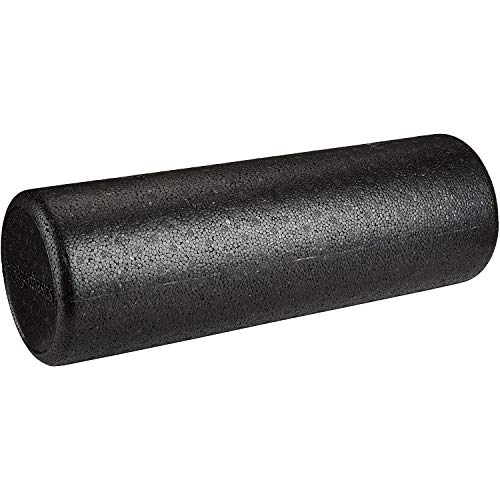
- Firm support for mobility and recovery exercises
- Durable, shape-retaining polypropylene construction
- Lightweight, portable, and easy to clean
Best For: General whole-body exercise and recovery
Targeted Muscle Release
Fitizen Textured Mini Foam Roller

- Firm EVA foam supports consistent pressure
- Raised texture targets back and leg areas
- Five size options, including a compact mini
Best For: Targeted mobility and recovery work
Extended Coverage
Amazon Basics 24-Inch High-Density Foam Roller
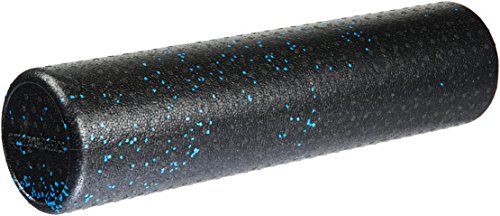
- Longer 24-inch format for whole-body routines
- Firm polypropylene construction maintains shape
- Lightweight and easy to wipe clean
Best For: Broad exercise and recovery coverage
Best with Extra Features
5-in-1 Deep Tissue Foam Roller Set

- Includes roller, massage stick, ball, resistance band, and bag
- Firm PVC and EVA construction rated for up to 200 pounds
- Portable design supports whole-body recovery
Best For: Athletes seeking a versatile, all-in-one recovery kit
Best Full-Length Roller
36-Inch High-Density Exercise Roller
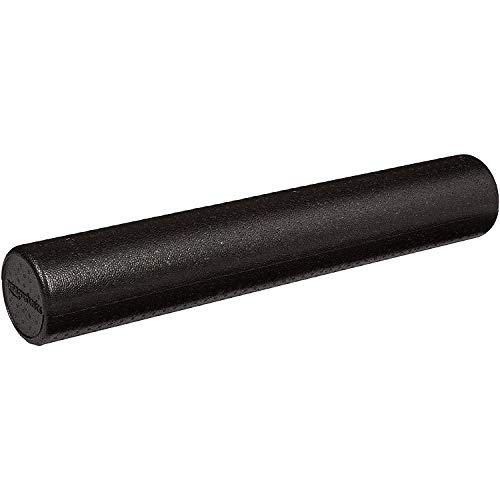
- Long 36-inch surface supports broad stretches
- High-density polypropylene is built to hold its shape
- Lightweight, wipe-clean single-roller design
Best For: Athletes wanting a simple full-length exercise roller
Best Compact Targeted Massage

- Triple grid zones provide targeted massage pressure
- Firm PVC and EVA design resists deformation
- Includes a portable nylon mesh storage bag
Best For: Athletes wanting focused, portable muscle massage
Deep-Tissue Pick – TriggerPoint GRID 1.0
For athletes who want targeted foam rolling, the TriggerPoint GRID 1.0 combines an extra-firm EVA-foam surface with varied ridges and nodules. Its 13-inch length works across the body, while the multi-density pattern lets you adjust pressure for tight muscles and softer tissue.
Best For: Athletes seeking a durable, extra-firm roller for deep tissue work and whole-body muscle recovery.
Pros:
- Multi-density GRID surface supports targeted rolling and varied pressure.
- Extra-firm, hollow-core design delivers deeper compression for knots and tight muscles.
- Durable EVA foam is designed to maintain its shape with repeated use.
Cons:
- Extra-firm construction may feel intense for beginners or highly sensitive muscles.
- At 13 inches, it offers less coverage than a longer roller.
The GRID 1.0 is a strong choice for experienced users who prioritize firm, focused pressure and frequent use. Beginners may prefer a softer model or lighter rolling pressure.
Adjustable Pressure Pick – 321 STRONG 3-Zone Roller
The 321 STRONG 3-Zone Massage Roller gives athletes three projection sizes for adjusting massage intensity during warmups, stretching, and recovery. Its medium-density EVA foam over an EPP core offers a balance of penetration and comfort for several body areas.
Best For: Athletes who want medium-density rolling with multiple pressure zones for controlled muscle and fascia work.
Pros:
- Three zones mimic fingertips, thumbs, and palms for adjustable intensity.
- Medium density is designed to provide effective penetration without excessive discomfort.
- Lightweight, strong core supports regular use without flexing or deforming.
- Suitable for arms, back, feet, and broader body areas.
Cons:
- The textured projections may feel too pointed for users wanting a smooth surface.
- Its 12.5-inch length provides less coverage than a full-length roller.
This is a versatile middle-ground option for athletes who want more control than a uniform roller provides. The three-zone layout makes it easier to vary pressure as your recovery needs change.
Complete Recovery Kit – High-Density Foam Roller Set
Athletes looking for more than a single roller may prefer this eight-piece foam rolling kit. It combines a 12-inch high-density roller with a massage stick, peanut ball, plantar-fasciitis ball, stretching strap, guide, and portable nylon bag for pre- and post-workout routines.
Best For: Athletes who want a portable, multi-tool recovery setup for mobility work, massage, stretching, and rehabilitation exercises.
Pros:
- Includes multiple tools for muscles, feet, stretching, and targeted massage.
- High-density foam is rated to support up to 300 pounds and resist shape loss.
- Portable nylon bag makes the set easier to carry and store.
- Useful for warmups, cooldowns, yoga, physical therapy, and rehabilitation routines.
Cons:
- The extra-firm roller and ball may be too intense for sensitive users.
- A multi-piece kit takes more storage space than a standalone roller.
- Several included tools may be unnecessary if you only want basic foam rolling.
This set offers the broadest range of recovery tools in the group. It makes the most sense for athletes building a complete home or travel routine rather than shoppers seeking only a simple roller.
Gentler Daily Pick – TriggerPoint CORE Roller
The TriggerPoint CORE is a softer option for athletes who want daily foam rolling without the intensity of an extra-firm model. Its 12-inch solid EVA-foam construction and multi-density GRID pattern provide targeted compression for muscle relaxation, pain relief, and mobility work.
Best For: Athletes who prefer softer compression for regular self-massage, flexibility work, and recovery.
Pros:
- Soft firmness offers a gentler approach to muscle rolling.
- Multi-density GRID pattern supports targeted compression.
- Solid-core EVA construction is designed to be more durable than standard polypropylene rollers.
- 12-inch length is practical for most muscle groups.
Cons:
- Soft construction may not provide enough pressure for users seeking deep-tissue intensity.
- Shorter length offers less stability and coverage than longer rollers.
The CORE is a sensible choice for beginners, frequent users, or athletes who find extra-firm rollers uncomfortable. Those needing aggressive pressure may want the firmer GRID 1.0 instead.
Reliable Everyday Recovery – Amazon Basics 18-Inch High-Density Foam Roller
Amazon Basics High-Density Foam Roller for Exercise and Recovery, 18 Inches, Black
Check Price On AmazonFor athletes seeking dependable foam rollers for athletes, this 18-inch Amazon Basics model offers firm, whole-body support for balance, strengthening, flexibility, and recovery exercises. Its polypropylene construction is lightweight, durable, and easy to clean.
Best For: Athletes who want a straightforward, portable roller for general mobility and recovery work.
Pros:
- Firm high-density design supports balance, strengthening, and flexibility exercises.
- Durable polypropylene construction is designed to maintain its shape.
- Lightweight and easy to reposition or carry to class.
- Molded edges add comfort, and the surface wipes clean easily.
Cons:
- Its standard design does not include textured trigger-point surfaces.
- The 18-inch length may provide less coverage than a longer roller.
This is a practical pick for athletes who value simplicity, firm support, and easy storage. It is especially suitable for general exercise and recovery rather than specialized deep-tissue work.
Targeted Muscle Release – Fitizen Textured Mini Foam Roller
This Fitizen mini roller is a focused option among foam rollers for athletes, combining firm EVA foam with a raised texture for targeted back and leg work. Its compact size suits mobility routines, physical therapy, yoga, Pilates, and home-gym recovery.
Best For: Athletes who want a compact, firm roller for targeted back and leg massage and mobility work.
Pros:
- Raised surface is designed to target sore areas and knots.
- Firm, lightweight EVA foam provides consistent pressure without losing shape.
- Compact 12-by-4-inch format is easy to handle and transport.
- Available in five size options, from mini to XL.
Cons:
- The mini size covers less area than the larger available versions.
- Its textured surface may feel more intense than a smooth roller.
Choose this model when targeted pressure and portability matter more than broad body coverage. Athletes who prefer a larger rolling surface can select one of the other listed sizes.
Extended Coverage – Amazon Basics 24-Inch High-Density Foam Roller
Amazon Basics High Density Foam Roller for Exercise and Recovery, 24 Inches, Blue Speckled
Check Price On AmazonFor athletes who want more rolling length, this 24-inch Amazon Basics model is a firm choice for balance, strengthening, flexibility, and recovery exercises. Its blue-speckled polypropylene body is lightweight, durable, and simple to maintain.
Best For: Athletes who prefer a longer roller for whole-body exercise and recovery routines.
Pros:
- 24-inch length offers more rolling surface than the shorter model.
- Firm high-density construction supports exercise and muscle therapy.
- Polypropylene material is designed to maintain its shape.
- Molded edges, easy repositioning, and wipe-clean care improve usability.
Cons:
- The longer format may be less convenient to pack than a compact roller.
- It uses a smooth, standard design rather than a textured trigger-point surface.
This roller makes sense for athletes who want broader coverage without adding specialized features. It is a solid fit for simple, firm whole-body routines at home, in the gym, or in class.
Best with Extra Features – 5-in-1 Deep Tissue Foam Roller Set
For athletes who want more than a single roller, this 5-piece kit is a versatile choice among foam rollers for athletes. It combines a firm 13-inch roller with targeted massage and resistance tools for pre- and post-workout recovery.
Best For: Athletes and fitness enthusiasts who want a portable, whole-body recovery system.
Pros:
- Includes a foam roller, massage stick, massage ball, resistance band, and carry bag.
- Firm PVC and EVA construction is designed to maintain its shape under loads up to 200 pounds.
- Targets multiple muscle groups and supports mobility work before or after exercise.
- Compact, sweat-resistant, waterproof, and easy to transport.
Cons:
- The firm design may feel intense for users new to deep-tissue rolling.
- Its 13-inch length offers less body coverage than a full-length roller.
This is the most comprehensive option in the group, especially if you want several recovery tools in one portable package rather than a roller alone.
Best Full-Length Roller – 36-Inch High-Density Exercise Roller
This 36-inch model is a straightforward option among foam rollers for athletes, providing a long, stable surface for stretching, balance, strengthening, and muscle-recovery exercises. Its simple design is easy to reposition and clean.
Best For: Athletes who prefer a full-length roller for general exercise and stretching.
Pros:
- 36-inch length provides broad support during exercises and stretches.
- High-density polypropylene is designed to maintain its shape.
- Molded edges add comfort during use.
- Lightweight and easy to wipe clean.
Cons:
- Includes only the foam roller, with no massage accessories or carry bag listed.
- Its long size may be less convenient to transport than a compact roller.
Choose this Amazon Basics roller if you want uncomplicated, full-length support for workouts and stretching rather than a multi-tool recovery kit.
Best Compact Targeted Massage – 13-Inch Grid Foam Roller
Designed for targeted work, this 13-inch firm roller uses triple grid massage zones to mimic hand pressure. It is a practical pick among foam rollers for athletes who want focused myofascial massage in a compact, portable format.
Best For: Runners, swimmers, yoga and Pilates students, and athletes seeking targeted post-workout muscle work.
Pros:
- Triple grid zones are designed to target muscle tissue and trigger points.
- Firm PVC and EVA construction is pressure-resistant and intended to retain its shape.
- Lightweight, waterproof, sweat-resistant, and easy to clean.
- Includes a nylon mesh bag for storage and transport.
Cons:
- The firm, textured surface may be intense for beginners.
- At 13 inches, it provides less full-body support than a longer roller.
This roller balances targeted texture with portability, making it a strong fit for athletes who prioritize focused muscle work and easy gym-bag storage.
How We Picked the Best Foam Rollers for Athletes
We focused on features that matter during regular training and recovery: roller density, surface design, length, portability, versatility, and overall value. Products with ridges or multiple massage zones can provide more targeted pressure, while smooth rollers tend to offer a simpler, more predictable experience. We also included several lengths so shoppers can compare compact travel-friendly models with larger rollers that support the back, legs, and full-body stretching.
Because comfort and pressure tolerance vary, no single roller is ideal for every athlete. A firm model may suit experienced users who want intense myofascial work, while a softer or medium-density option can be more approachable for beginners and sensitive areas.
Quick Comparison
- Compact 13-inch rollers: Easier to store and carry, with enough length for focused work on calves, hamstrings, glutes, and arms.
- 18- to 24-inch rollers: A useful middle ground for general recovery, balance, and some back work.
- 36-inch rollers: Better for stability exercises, spinal alignment, and using both legs or arms at once, but less portable.
- Massage zones and ridges: Help vary pressure and target tight spots, though they may feel intense on tender muscles.
- Sets: Add tools such as massage sticks or smaller accessories for more flexibility beyond standard rolling.
Key Buying Factors for Foam Rollers for Athletes
Density and Comfort
High-density foam generally provides firm support and resists losing its shape. Medium-density or softer-compression rollers can be more comfortable for beginners, warmups, and areas that do not tolerate aggressive pressure.
Length and Portability
Choose a shorter roller if you travel, have limited storage, or primarily target individual muscles. Longer rollers are more stable for back exercises and broad mobility movements, but they take up more space.
Texture and Pressure Control
A smooth surface delivers consistent pressure. Grooves, ridges, or multi-zone patterns can make massage more targeted, but they may feel sharper. Consider whether you prefer broad pressure or trigger-point-style feedback.
Build Quality and Maintenance
Look for a roller that stays stable on the floor, keeps its shape under your body weight, and has an easy-to-clean exterior. Use controlled pressure rather than rolling directly over joints or injured areas.
Who Should Buy Which Foam Rollers for Athletes?
Beginners and recovery-focused users: Start with a medium-density or softer-compression roller for a more manageable introduction to self-massage.
Experienced athletes: A firm, ridged, or multi-zone model can provide stronger, more localized pressure after demanding training.
Traveling athletes: Choose a compact 13-inch roller that fits easily in a gym bag or suitcase.
Home-gym users: An 18- to 24-inch model offers a practical balance of stability, coverage, and storage.
Athletes who prioritize mobility and stability work: A 36-inch roller is worth considering for supported stretching, balance drills, and full-body exercises.