Running performance depends on more than mileage. The right functional trainer can build the strength, power, mobility, and coordination that support faster, more efficient strides.
We compare 10 options for different training goals, spaces, and budgets—from full home-gym cable systems to compact tools for sprint resistance, arm mechanics, tibialis strength, and jumping power.
Best 10 Functional Trainer for Runners Picks for 2026
Best Compact Trainer
Inspire Fitness FTX Functional Trainer

- Compact full functional trainer design
- Dual 165-pound weight stacks
- Includes versatile cable attachments
Best For: Space-conscious home gyms adding strength work to running
Best for Sprint Training
Kinetic Bands Acceleration Speed Cord
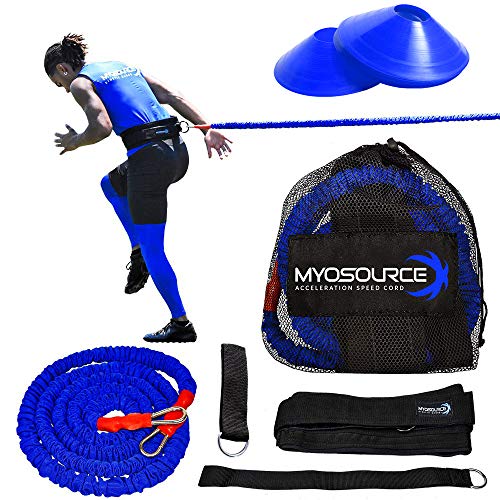
- Portable multidirectional resistance kit
- Supports solo and partner drills
- Includes eight agility cones
Best For: Runners developing acceleration, agility, and explosive power
Best Heavy-Duty Cable System
REP Fitness Arcadia Functional Trainer
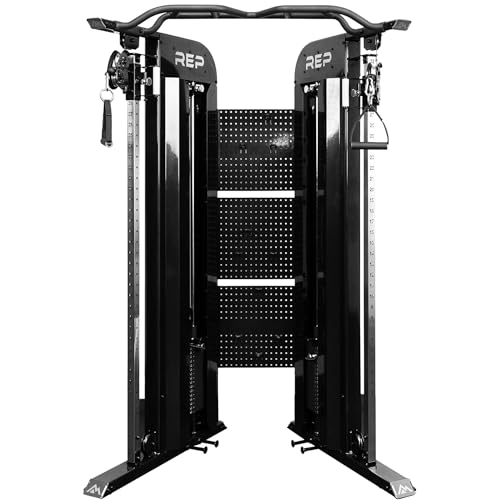
- 32 adjustable cable positions
- Dual stacks up to 170 pounds each
- Built-in storage and band pegs
Best For: Serious home or garage gyms supporting progressive strength work
Best Portable Leg Resistance
Kbands Speed and Strength Leg Bands
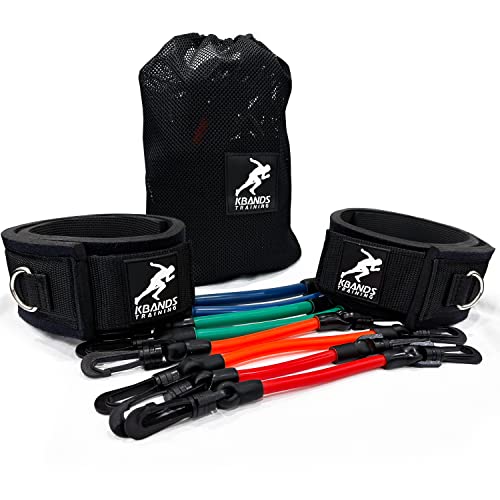
- Focuses on hips, glutes, and agility
- Eight stackable resistance bands
- Includes travel bag and digital programs
Best For: Runners needing portable lower-body and speed training
Shin Strength Specialist

- Targets tibialis, calves, shins, and ankles
- Compatible with 1-inch and 2-inch plates
- Steel build with foam padding
Best For: Runners seeking focused lower-leg conditioning
Low-Impact Full-Body Option
Sunny Row-N-Ride Squat Assist Trainer

- Combines rowing and squat assistance
- Offers three adjustable squat depths
- Includes SunnyFit app access
Best For: Home users wanting low-impact full-body conditioning
Running Form Coach

- Encourages a 90-degree arm angle
- Helps reduce arm crossing
- Lightweight adjustable band design
Best For: Runners refining arm-swing mechanics
Versatile Resistance Pick

- Adjustable 22–440-lb hydraulic resistance
- Converts to ab roller with band hooks
- Steel frame with adjustable arm length
Best For: Runners seeking upper-body and core strength work at home
Running-Form Specialist
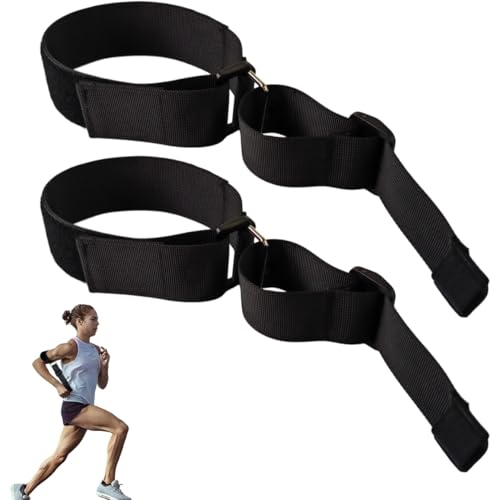
- Guides a forward-and-back 90-degree arm position
- Helps discourage arms crossing the midline
- Adjustable straps and finger loops
Best For: Runners improving arm mechanics and running-form efficiency
Explosive-Leg Training Pick
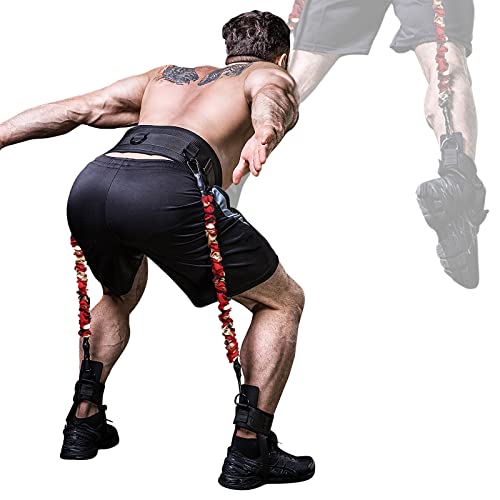
- Supports jump and squat power drills
- Adjustable waistband with four resistance levels
- Portable for home or travel workouts
Best For: Runners building explosive leg strength and agility
Best Compact Trainer – Inspire Fitness FTX Functional Trainer
The Inspire Fitness FTX is a strong option if you want a functional trainer for runners that also supports comprehensive home strength training. Its compact footprint, dual weight stacks, pull-up bar, sliding pulleys, and included accessories provide several ways to train the upper body, lower body, and core.
Best For: Home gym users who want a compact, full-featured cable machine for strength and resistance workouts.
Pros:
- Compact 54-by-40-inch footprint for a full functional trainer.
- Dual 165-pound weight stacks and smooth-gliding pulleys.
- Includes D handles, tricep rope, curl bar, and chin/dip belt.
- Built-in accessory storage and phone or tablet support.
Cons:
- At 544 pounds, it is difficult to move once installed.
- Its 82-inch height may not suit every room.
- The included weight stacks are limited to 165 pounds each.
The FTX is best suited to runners who want to complement running with structured resistance work at home. Its storage and compact design are practical, while the included Centr subscription adds guided training and wellness content.
Best for Sprint Training – Kinetic Bands Acceleration Speed Cord
The Kinetic Bands Acceleration Speed Cord is a portable alternative for runners seeking a functional trainer for runners focused on acceleration, agility, and multidirectional resistance. The belt, bungee cord, anchor strap, and cones support solo or partner drills without requiring a large home-gym machine.
Best For: Runners and multi-sport athletes training acceleration, deceleration, agility, and explosive power.
Pros:
- Lightweight 2.3-pound kit is easy to transport.
- Supports solo anchor training or partner resistance work.
- 360-degree D-ring allows multidirectional movement.
- Includes eight stackable agility cones.
Cons:
- Provides one resistance level rather than adjustable resistance settings.
- Requires a suitable strong anchor for solo use.
- Does not replace a full cable machine for general strength training.
This kit is particularly practical for runners who prioritize running-specific movement over heavy resistance training. Its portability makes it useful for field sessions, though it is more specialized than a traditional functional trainer.
Best Heavy-Duty Cable System – REP Fitness Arcadia Functional Trainer
The REP Fitness Arcadia is a versatile functional trainer for runners who want a substantial home or garage gym cable machine. With 32 cable positions, dual weight stacks, micro-adjustments, and band pegs, it accommodates controlled strength exercises across different movement angles.
Best For: Experienced home-gym users who want extensive cable adjustability and high resistance capacity.
Pros:
- Offers 32 cable positions for varied exercise angles.
- Dual stacks reach 170 pounds each, with optional upgrades to 220 pounds.
- Includes 5-pound add-on weights for smaller resistance adjustments.
- Built-in storage and integrated band pegs expand training options.
Cons:
- Attachment packages beyond the included D handles are optional.
- Its 55.3-inch width and 80.8-inch height require dedicated space.
- Frame and accessory warranties have different coverage periods.
The Arcadia suits runners who want a long-term strength station rather than a running-only resistance tool. Its broad cable range supports mobility-friendly positioning and progressive training, but the larger setup and optional attachments increase planning requirements.
Best Portable Leg Resistance – Kbands Speed and Strength Leg Bands
Kbands Speed and Strength Leg Resistance Bands offer a portable functional trainer for runners who want to target hip strength, glutes, lunges, squats, and agility drills. The padded thigh bands, rotational clips, multiple resistance options, and digital programs make the kit suitable for training at home or while traveling.
Best For: Runners seeking portable lower-body resistance and speed-and-agility training.
Pros:
- Targets hip strength, glutes, lunges, squats, and explosiveness.
- Padded thigh bands are designed not to roll or slip.
- Includes eight resistance bands with stackable resistance options.
- Comes with a travel bag and digital training programs.
Cons:
- Designed primarily for leg and agility work rather than full-body cable training.
- Resistance levels vary by band and are not specified as precise increments.
- Requires downloading the included digital training programs.
This is a convenient choice for runners who value mobility and lower-body specificity. It cannot match a full functional trainer for exercise variety, but its light weight, travel bag, and thigh-focused design make it easy to incorporate into running preparation and strength sessions.
Shin Strength Specialist – Tib Bar Tibialis Trainer
For runners comparing a functional trainer for runners, this Tib Bar focuses on the lower-leg muscles that support running. Its steel construction, foam padding, adjustable strap, and compatibility with 1-inch and 2-inch plates make it a practical option for tibialis, calf, shin, and ankle-strengthening work.
Best For: Runners and athletes who want targeted tibialis, calf, shin, and ankle conditioning.
Pros:
- Supports tib raises, calf raises, and shin-strengthening exercises.
- Works with 1-inch and 2-inch barbell plates, ankle weights, or dumbbells.
- Heavy-duty alloy-steel construction supports up to 300 pounds.
- Foam padding enables more comfortable barefoot training.
Cons:
- It targets the lower legs rather than providing a full-body workout.
- Plates or other resistance may need to be supplied separately.
This is a specialized choice rather than a conventional cable or full-body trainer, but its focused design can complement a runner’s strength routine when lower-leg conditioning is the priority.
Low-Impact Full-Body Option – Sunny Row-N-Ride Squat Assist Trainer
If you want a functional trainer for runners that also covers general conditioning, the Sunny Row-N-Ride combines rowing and squat assistance in one home machine. It offers adjustable resistance, three squat depths, adjustable contact points, and app access for guided workouts.
Best For: Home users who want low-impact rowing, supported squats, and combined upper- and lower-body exercise.
Pros:
- Combines rowing movements with squat assistance for a broader workout.
- Three adjustable squat depths range from shallow to deep.
- Adjustable seat and handlebar positions accommodate different body types.
- Includes access to the SunnyFit app and a device holder.
Cons:
- At 46.9 inches deep and 39.3 pounds, it requires dedicated home space.
- Its 220-pound maximum user weight may not suit everyone.
- The display measures time, so training metrics are limited.
This machine is better suited to general low-impact fitness than running-specific technique work. Its adjustable squat support and rowing function make it useful for runners building broader strength at home.
Running Form Coach – Arm Swing Trainer
For runners seeking a compact functional trainer for runners, this resistance-band arm swing trainer focuses on arm position and efficiency. Adjustable hook-and-loop closures attach at the upper arm and wrist to encourage a 90-degree arm angle and reduce arm crossing during running.
Best For: Runners and athletes working on arm-swing mechanics, endurance, and movement efficiency.
Pros:
- Encourages maintaining a 90-degree arm angle while running.
- Helps address arm crossing across the body’s midline.
- Lightweight, simple, and easy to use.
- Adjustable fit accommodates biceps measuring 8-18 inches and wrists measuring 5-10 inches.
Cons:
- It is designed for arm-swing training rather than whole-body strength work.
- Fit may be limited outside the stated bicep and wrist ranges.
- The supplied notes do not indicate a structured resistance-adjustment system.
This is a highly focused running accessory, not a replacement for a strength machine. Choose it when technique feedback and arm coordination matter more than broad resistance training.
Versatile Resistance Pick – Hydraulic Twister Arm Trainer
If you want a functional trainer for runners that also supports upper-body and core work, this hydraulic twister offers a compact, multi-use option. Its adjustable resistance, variable arm length, ab wheels, and resistance-band hooks make it suited to home strength sessions alongside running training.
Best For: Runners who want adjustable chest, arm, shoulder, and core training in a compact home-gym tool.
Pros:
- Hydraulic resistance adjusts from 22 to 440 pounds across 15 levels.
- Adjustable arm length accommodates different body types and exercise setups.
- Converts into an ab roller and supports compatible resistance bands.
- Triangular steel construction and smooth hydraulic motion support controlled repetitions.
Cons:
- It focuses more on upper-body and core strength than running-specific movement drills.
- The 2.65 kg frame may be less convenient to transport than a simple strap-based trainer.
This is a strong choice for runners building general strength at home, particularly if you value adjustable resistance and several exercise modes over a running-form-specific design.
Running-Form Specialist – 90-Degree Arm Swing Trainer
For runners prioritizing technique, this arm swing trainer is a more direct functional trainer for runners than a general resistance device. It guides the arms toward a 90-degree position and helps discourage crossing the body’s midline during repetitive running-form drills.
Best For: Track athletes, coaches, and runners working on arm mechanics, efficiency, and speed-focused drills.
Pros:
- Encourages a straight forward-and-back arm swing at a 90-degree angle.
- Designed to help reduce arm crossing and reinforce running muscle memory.
- Adjustable hook-and-loop straps and finger-loop length allow a more personalized fit.
- Lightweight pair is easy to include in drills and training sessions.
Cons:
- It is a form-training aid rather than a full resistance or strength-training system.
- Its large size listing may require checking fit before purchase.
- The supplied warranty is limited to 180 days.
This is the most running-specific option in the group. Choose it when arm carriage and swing mechanics are your main priorities, not when you need broad full-body resistance training.
Explosive-Leg Training Pick – INNSTAR Vertical Jump Trainer
This jump trainer provides a functional trainer for runners who want to develop explosive leg strength, agility, balance, and endurance. Its adjustable waistband and resistance-band setup can support squat and jumping drills while also training the shoulders, arms, chest, glutes, and legs.
Best For: Runners and field-sport athletes adding resisted jump, squat, and lower-body power work to home training.
Pros:
- Supports vertical-jump and squat training for lower-body power development.
- Designed for running, football, basketball, volleyball, soccer, boxing, and other sports.
- Adjustable waistband is intended to fit a broad range of users.
- Portable design and easy storage suit home gyms and travel.
Cons:
- The listed tension is light, with four resistance levels, so advanced athletes may want more load.
- Jump-focused drills may be less useful for runners seeking only form correction or steady strength work.
- The supplied details list different warranty durations, so coverage should be confirmed before purchase.
This trainer is a practical match for runners focused on explosiveness and athletic conditioning. It is less suitable if your primary goal is upper-body resistance or detailed running-arm technique.
How We Picked the Best Functional Trainer for Runners
We evaluated these training tools by looking at how directly they support running-related goals, including lower-body strength, single-leg stability, acceleration, sprint mechanics, ankle and tibialis conditioning, upper-body coordination, and power development. We also considered adjustability, portability, setup demands, available resistance, exercise variety, and suitability for home use.
Because “functional trainer” can describe both cable-based home-gym machines and specialized resistance tools, this roundup includes a range of equipment rather than treating one format as universally best. A runner training in a garage gym may benefit from a cable station, while someone focused on speed drills may need bands or a lightweight technique aid.
Quick Comparison
- Best for full-body home strength: A cable-based functional trainer with adjustable pulleys and a weight stack or plate-loading option.
- Best for sprint and acceleration work: Speed cords and leg-resistance bands that allow resisted running, lateral movement, and agility drills.
- Best for running-specific lower-leg strength: A tibialis trainer that targets the muscles involved in ankle control and lower-leg conditioning.
- Best for jump and power training: Adjustable resistance systems designed for vertical jumps and explosive lower-body movements.
- Best for form and coordination: Arm-swing trainers that provide feedback or resistance without requiring a large workout area.
- Best for small spaces: Compact bands, straps, and portable trainers that store easily and support outdoor or travel workouts.
Key Buying Factors for a Functional Trainer for Runners
Resistance and Adjustability
Choose resistance that matches your current strength while leaving room to progress. Adjustable bands and cable systems are more versatile than fixed-resistance tools, but they may require more setup or careful control. For speed drills, resistance should not be so heavy that it changes your running mechanics.
Exercise Range
Look for equipment that supports movements relevant to your program: split squats, rows, presses, hip work, rotational exercises, resisted marches, lateral drills, and power movements. Cable machines generally offer the broadest exercise selection, while specialized tools provide a more focused training effect.
Footprint and Portability
Measure ceiling height, floor space, and storage area before buying a large trainer. A full functional trainer can serve as the centerpiece of a home gym, but bands and compact devices are easier to use outdoors, in apartments, or while traveling.
Running Mechanics and Safety
Equipment should complement—not replace—sound running technique. Start with light resistance, maintain controlled alignment, and stop if a drill causes joint pain or forces excessive compensation. Runners returning from injury should choose adjustable equipment and follow guidance from a qualified professional.
Who Should Buy Which Functional Trainer for Runners?
Choose a full cable functional trainer if you want one system for strength training, upper-body work, core exercises, and progressive overload alongside running.
Choose speed cords or leg bands if acceleration, agility, lateral movement, and resisted sprint drills are your main priorities. These are especially useful for athletes who already have access to basic strength equipment.
Choose a tibialis trainer if you want a simple, targeted way to train the front of the lower leg and support a more complete lower-leg routine.
Choose an arm-swing or running-form trainer if you are working on coordination, arm drive, or reducing inefficient arm movement during speed sessions.
Choose a jump trainer if explosive power is central to your goals and you can perform jump exercises with consistent landing control.
The best Functional Trainer for Runners is the one that fits your training space, lets you progress gradually, and addresses the specific limitation holding back your running—whether that is strength, power, stability, coordination, or consistency.