The best ice packs for travel keep food cold, fit efficiently into your luggage or cooler, and provide dependable relief when injuries or swelling occur. The right choice depends on whether you need long-duration cooling, compact portability, or an instant-use option.
We compared reusable, refillable, and disposable designs across this selection to help you choose a practical pack for road trips, camping, flights, lunch bags, and travel first-aid kits.
Best 10 Ice Packs for Travel Picks for 2026
Best for Extended Cooler Trips

- Cold performance rated for up to 48 hours
- Replaces about 5–6 pounds of ice per pack
- Four large packs for cooler coverage
Best For: Camping, road trips, beaches, and extended cooler use
Best for Slim Lunch Packing

- Thin profile fits easily in packed bags
- Four reusable packs for flexible placement
- BPA-free and leak-resistant construction
Best For: Lunch bags, totes, picnics, and everyday travel
Best for Dual Hot-and-Cold Use
Portable Reusable Therapy Ice Bag

- Works with ice water or warm water
- Wide mouth simplifies filling
- Foldable design suits travel and outdoor use
Best For: Travel first-aid kits and multipurpose therapy
Best Slim Reusable Pick
Healthy Packers 4-Pack Ice Packs

- Slim, stackable 7 x 4.7 x 0.5-inch design
- Reusable BPA-free gel construction
- Useful for lunch bags, coolers, and travel
Best For: Compact lunch bags, office meals, and repeat use
Best No-Freezer Emergency Option

- Activates by squeezing, with no freezer needed
- Flexible 4.3 x 5.9-inch disposable design
- Eight packs for travel, sports, or emergencies
Best For: Portable first-aid and short-term cold therapy
Best Long-Lasting Cooler Pack

- Four reusable 250-gram cooling packs
- Flat 6.5 x 7-inch design for bags and coolers
- BPA-free gel with puncture-resistant construction
Best For: Outdoor trips and extended cooler packing
Best Disposable Pick
General Medi Instant Ice Cold Packs

- No freezer needed
- Compact 4-by-5.5-inch format
- Eight disposable packs
Best For: Travel first-aid kits and outdoor activities
Best Reusable Cooler Pack

- Reusable BPA-free gel
- Designed for coolers and shipping
- Twelve three-pound packs
Best For: Keeping travel food and perishables cold
Best Bulk First-Aid Pack
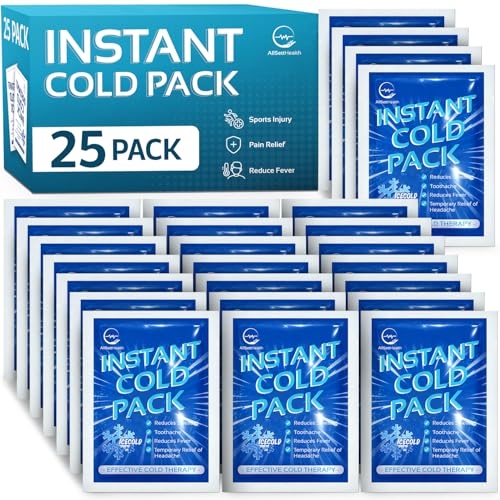
- Freezer-free activation
- Twenty-five disposable packs
- Tear-resistant for transport
Best For: Families, teams, and stocked travel kits
Best for Extended Cooler Trips – Long-Lasting Cooler Ice Packs
For travelers who need dependable cooling in a larger cooler, these reusable ice packs are a strong option among ice packs for travel. Each pack uses an 18°F phase-change point and is designed to keep contents cold for up to 48 hours in a properly sized cooler. They must be filled with water and frozen before use, so plan ahead.
Best For: Camping, road trips, beach outings, fishing, and extended cooler storage.
Pros:
- Designed to provide cold for up to 48 hours in a size-matched cooler.
- Each pack can replace approximately 5–6 pounds of ice, freeing cooler space.
- The 4-pack supports multiple compartments or broader cooler coverage.
- Nylon-reinforced construction is intended for repeated reuse.
Cons:
- The 10-by-10-inch size may not fit smaller lunch bags or compact coolers.
- Requires filling with water and freezing before travel.
- Best performance depends on matching the packs to the cooler size.
This is the most travel-oriented choice here for long outings where maximum cooler endurance matters. Measure your cooler interior first, and allow enough freezer time for the water-filled packs to solidify.
Best for On-the-Go Relief – Refillable Travel Ice Bag with Straps
This refillable ice bag is a practical pick among ice packs for travel when you need cold therapy rather than food cooling. It folds into the included storage bag, uses ordinary ice instead of gel, and includes elastic straps to help hold the 10.6-by-14.5-inch bag against areas such as the knee, shoulder, hip, or back.
Best For: Travel injury care, muscle soreness, and portable cold therapy.
Pros:
- Wide opening makes it easy to fill with ice cubes or crushed ice.
- Four-layer construction is designed to reduce leakage and help keep skin dry.
- Two elastic bandages help keep the pack in place without constant holding.
- Folds for storage and can be refilled as needed.
Cons:
- It does not contain cooling gel and requires access to ice.
- Cold duration is listed at up to two hours, so refilling may be needed.
- Users should limit applications to 20 minutes at a time and check skin frequently.
Choose this model if hands-free positioning and easy refilling are more important than long-term cooler cooling. Tighten the lid fully, and remember that condensation can appear as the ice warms.
Best for Slim Lunch Packing – XL Space-Saving Ice Packs
These slim reusable packs are convenient ice packs for travel when bag space is limited. The four-pack is designed for lunch boxes, insulated bags, totes, and smaller coolers, with a thin 0.5-inch profile that slides beside food and containers while providing all-day cooling for everyday trips.
Best For: Work lunches, road trips, picnic bags, beach totes, and grocery or breastmilk cooler bags.
Pros:
- Ultra-thin design helps preserve usable space in packed bags.
- Designed to freeze quickly and stay cold throughout the day.
- Four packs allow flexible placement around food and drinks.
- BPA-free, leak-resistant plastic is easy to rinse and clean.
Cons:
- The slimmer format may provide less total cold mass than larger cooler packs.
- Hand washing is recommended rather than machine cleaning.
- They must be frozen before use.
This is a good everyday travel solution for people who value packing efficiency. Its slim shape is particularly useful in lunch bags and totes where bulky blocks would crowd out food.
Best for Dual Hot-and-Cold Use – Portable Reusable Therapy Ice Bag
This foldable therapy bag is a versatile choice among ice packs for travel, especially when you want one compact option for both cold and warm applications. Add ice and water for relief from aches, swelling, or sprains, or use warm water for selected comfort applications. Its screw-on cap and textile exterior are designed for portable use.
Best For: Travel first-aid kits, outdoor activities, office use, and hot-or-cold therapy.
Pros:
- Supports both cold therapy and warm-water compresses.
- Wide-mouth cap makes adding ice cubes or water easier.
- Soft textile construction is flexible and designed to retain temperature.
- Lightweight, waterproof, foldable, and easy to carry.
Cons:
- Requires adding ice and water rather than freezing as a ready-made gel pack.
- Warm-water use should stay at or below 50°C/122°F.
- Its 9-inch format may be less suitable for very large treatment areas.
Pick this bag if versatility and compact storage matter more than instant freezer readiness. It works well as a multipurpose travel comfort item, but pack access to ice or water and follow the stated temperature guidance for warm therapy.
Best Slim Reusable Pick – Healthy Packers 4-Pack Ice Packs
For travelers who want reusable ice packs for travel, this four-pack offers a slim, lightweight design that fits lunch bags, bento boxes, coolers, and other compact spaces. Freeze the packs overnight, then wipe them clean after use.
Best For: Lunch bags, office meals, school totes, picnics, camping, and compact coolers.
Pros:
- Slim 7 x 4.7 x 0.5-inch design is easy to stack and pack.
- Reusable gel packs are suitable for daily use.
- BPA-free, non-toxic materials and simple wipe-clean maintenance.
- Four packs allow individual or multiple-pack cooling.
Cons:
- Requires freezing before use.
- Hard-pack construction is less flexible than disposable cold packs.
- Cooling performance depends on how long the packs were frozen and the cooler setup.
This is a practical choice for routine travel and packed lunches where repeat use, compact storage, and easy cleaning matter more than instant activation.
Best No-Freezer Emergency Option – 8-Pack Instant Cold Packs
These disposable ice packs for travel are designed for situations where a freezer is unavailable. Squeeze the center to activate one, and use the flexible pack for approximately 15 minutes of cooling relief.
Best For: First-aid kits, sports bags, cars, emergencies, and travel when refrigeration is not available.
Pros:
- Activates without a freezer or ice.
- Compact 4.3 x 5.9-inch size is easy to carry.
- Flexible, lightweight, and designed to conform to various body parts.
- Eight-pack format provides multiple single-use packs.
Cons:
- Single-use rather than reusable.
- Cooling lasts approximately 15 minutes per use.
- Intended for cold therapy, not for keeping food or drinks chilled.
Choose these when immediate, portable cold therapy is the priority. They are especially convenient for unexpected injuries or swelling during trips, but they are not a substitute for reusable cooler packs.
Best Long-Lasting Cooler Pack – Reusable 12-Hour Ice Packs
For travelers packing larger lunch bags or coolers, these reusable ice packs for travel provide a broad 6.5 x 7-inch cooling surface and are advertised for long-lasting cooling. Their flat profile fits backpacks, lunch bags, and cooler compartments.
Best For: Camping, fishing, hiking, picnics, backpack coolers, and extended food-and-drink transport.
Pros:
- Four reusable packs are designed for repeated cooling use.
- Flat 6.5 x 7-inch format helps fit lunch bags and coolers.
- BPA-free, non-toxic gel construction is suited to everyday use.
- Puncture-resistant design supports regular travel and outdoor use.
Cons:
- Requires freezing before use.
- Larger 250-gram packs may take more freezer space than slimmer options.
- Cooling duration can vary with packing conditions and cooler insulation.
This four-pack is a strong fit when you need reusable cooling for outdoor trips or larger containers. Its flat construction and durability make it more practical for regular cooler packing than for instant cold therapy.
Best Disposable Pick – General Medi Instant Ice Cold Packs
For travelers who want ice packs for travel without relying on a freezer, these disposable General Medi packs activate when squeezed. Their compact 4-by-5.5-inch size suits first-aid kits, hiking bags, sports gear, and luggage.
Best For: Athletes, hikers, and travelers who need on-demand cold therapy for minor injuries, swelling, or pain.
Pros:
- Activates instantly without freezing.
- Flexible size works on many body areas.
- Eight-pack format is convenient for emergency supplies.
- Extra insulation helps maintain cold therapy during use.
Cons:
- Disposable design means each pack is single-use.
- Not intended as a reusable cooler or lunch-box ice pack.
Choose these when immediate availability matters more than reusability. They are especially practical for travel and outdoor activities where freezer access may be limited.
Best Reusable Cooler Pack – Luna Ice Gel Bricks
These reusable gel bricks are a strong option for ice packs for travel when the priority is keeping food, drinks, or perishables cold. The BPA-free packs are designed for coolers, lunch bags, backpacks, and shipping, with a mess-free gel format that locks in water.
Best For: Travelers carrying food, beverages, or perishables in insulated coolers, lunch bags, or shipping containers.
Pros:
- Reusable and designed to avoid water mess.
- BPA-free construction.
- Suitable for lunch boxes, backpacks, coolers, and shipping.
- Pack includes 12 three-pound gel bricks.
Cons:
- Requires soaking and overnight freezing before use.
- Larger and heavier than compact injury cold packs.
- Best suited to cooling contents rather than treating injuries.
This is the better travel choice for temperature-sensitive food and drinks rather than emergency pain relief. Plan ahead, since the packs need preparation and freezer space.
Best Bulk First-Aid Pack – 25-Pack Instant Ice Packs
This 25-pack gives families, teams, and frequent travelers a generous supply of ice packs for travel without requiring freezer access. Squeeze the center to activate each disposable pack, then use it for approximately 15 minutes of cold relief after a minor injury.
Best For: Families, sports groups, car emergency kits, and travelers who want a large reserve of instant cold packs.
Pros:
- Activates without a freezer.
- Bulk 25-pack provides strong supply value.
- 4.5-by-6-inch size fits common injury areas.
- Tear-resistant exterior is designed for transport.
Cons:
- Disposable rather than reusable.
- Requires replacing packs after use.
- Bulk packaging takes more storage space than a small travel kit.
For groups or long trips, the generous count makes this a practical preparedness option. It is less suitable if you need a reusable pack for cooling food or drinks.
How We Picked the Best Ice Packs for Travel
We evaluated these Ice Packs for Travel based on portability, cooling purpose, packability, reusability, activation method, and likely use case. Reusable freezer packs are generally better for coolers and food storage, while disposable instant packs are useful when a freezer is unavailable or an injury occurs away from home.
We also considered shape and size. Slim packs can preserve space in lunch bags, larger packs may provide longer-lasting cooling, and refillable bags can be easier to store when empty. For therapeutic use, a protective cover, leak resistance, and a flexible fit are especially important.
Quick Comparison
| Type | Best For | Main Advantage | Planning Needed |
|---|---|---|---|
| Reusable freezer packs | Coolers, lunch bags, camping | Lower long-term cost | Must be frozen beforehand |
| Slim reusable packs | Compact lunch bags and travel coolers | Efficient use of space | Requires freezer access |
| Refillable ice bags | Injuries and flexible cold therapy | Compressible when empty | Needs ice or cold water |
| Instant cold packs | First-aid kits and emergencies | Works without a freezer | Usually single-use |
| Shipping or bulk packs | Extended transport and large coolers | Longer-duration cooling | More storage space required |
Key Buying Factors for Ice Packs for Travel
Cooling Duration and Use
Check whether the pack is designed for lunch boxes, coolers, injury relief, or shipping. Longer-lasting packs may be larger and heavier, while compact options are easier to carry but may warm sooner.
Size, Shape, and Weight
Measure the cooler or bag before buying. Flat packs make it easier to arrange food around them, whereas bulky packs can occupy valuable luggage space. Multiple smaller packs may offer more flexible placement than one large pack.
Freezing and Activation
Reusable packs require freezer time, so they work best when your itinerary includes freezer access. Instant packs are more convenient for unexpected injuries but generally cannot be reused. Follow the manufacturer’s activation and disposal instructions.
Leak Protection and Safe Handling
Choose durable, sealed construction for use near clothing, electronics, and food. Cold therapy packs should not be placed directly against skin for extended periods; use a cover or cloth and follow medical guidance for injuries.
Who Should Buy Which Ice Packs for Travel?
- For road trips and camping: Choose durable reusable packs with enough mass for your cooler and expected travel time.
- For lunch bags and compact luggage: Slim, space-saving packs are usually the easiest fit.
- For travel first-aid kits: Disposable instant cold packs are practical when freezing is not available.
- For flexible injury care: A refillable ice bag with straps or a cover can conform more comfortably to the affected area.
- For shipping or extended transport: Larger, long-duration packs are better suited to insulated containers and bulk cooling needs.
Before purchasing, confirm the pack’s dimensions, quantity, freezing requirements, and intended use. A small combination of reusable cooler packs and one or two instant cold packs can cover both everyday food cooling and unexpected first-aid needs.