If you are comparing a knee brace for meniscus issues, ACL/MCL support, arthritis relief, or general knee pain, this one is aimed at the stability-first buyer.
The listing centers on triple side stabilizers, an adjustable Y-shaped strap system, and a wraparound neoprene build.
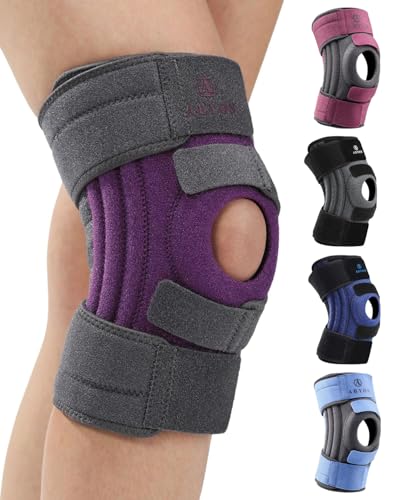
Knee Brace Review Summary
This knee brace makes sense for people who want more than a simple compression sleeve.
The design is clearly built around joint control, adjustable compression, and stay-in-place support, which makes it more relevant for recovery-minded buyers than for someone who only wants light warmth.
It looks best suited to buyers dealing with unstable knees, activity-related soreness, or the need for a brace they can tighten for different tasks during the day.
The main appeal is not subtlety; it is structured support that tries to limit unwanted movement while still remaining adjustable enough for walking, working out, or everyday wear.
Review Scorecard
| Category | Score | Why it scores this way |
|---|---|---|
| Stability | 9/10 | Triple stabilizers and a supportive wrap design point to strong joint control. |
| Adjustability | 8/10 | The Y-shaped, four-strap system should help users tune fit and compression. |
| Comfort | 7/10 | Neoprene adds warmth and compression, but that same build can feel substantial. |
| Everyday usability | 8/10 | The listing emphasizes stay-in-place wear for daily movement and activity. |
| Recovery support | 8/10 | It is positioned for arthritis, tendonitis, ligament injuries, and post-surgery support. |
| Versatility | 8/10 | Works for sports, workouts, and general activity rather than one narrow use case. |
Bottom line: this is a strong choice if your priority is support and restraint, not minimal bulk.
If you want a thin sleeve for mild soreness, it is probably more brace than you need.
Key Features and Specifications of Knee Brace
The listing highlights several support-focused design choices:
- Triple side stabilizers intended to reduce harmful lateral movement.
- Adjustable Y-shaped strap system with four straps for a more customized fit.
- Wraparound compression design that targets the kneecap area and surrounding joint.
- Premium neoprene construction for warmth, compression, and a more therapeutic feel.
- Non-slip silicone strips meant to help the brace stay positioned during movement.
- Intended use across sports, workouts, daily activity, arthritis, tendonitis, ligament injuries, meniscus tears, ACL/MCL issues, and post-surgery recovery.
The product is presented as a women’s and men’s knee brace, so the core decision is less about gender and more about whether you want a brace with real structure.
Nothing in the listing suggests a lightweight slip-on profile; this is a more engineered support option.
Because the evidence is listing-based, the safest interpretation is that the brace is designed to combine:
- Compression for comfort and warmth.
- Stability for side-to-side support.
- Adjustability for fit changes across use cases.
That combination is useful if your knee needs help during motion rather than only after the fact.
Pros and Cons of Knee Brace
Pros
- Strong support orientation for users who need more than basic compression.
- Adjustable strap layout should help different leg shapes and swelling levels.
- Triple stabilizers are a meaningful differentiator versus generic sleeves.
- Neoprene warmth may be useful for stiffness and comfort.
- Non-slip positioning is a practical touch for active wear.
Cons
- Potential bulk compared with simpler sleeves or pull-on braces.
- More structure than some casual buyers need if the issue is only mild soreness.
- Compression-focused design may feel warm or substantial in longer wear.
- The listing does not provide size charts or material detail beyond neoprene, so fit judgment depends on the seller’s sizing guidance.
The biggest tradeoff is straightforward: more support usually means more brace.
If you need stabilization, that is a strength.
If you only want a discreet layer under clothing, it may be more than you want.
Who Should Buy Knee Brace?
This brace is a good fit for buyers who want:
- Meniscus or ligament support during regular movement.
- Arthritis or tendonitis relief through compression and warmth.
- A brace that can handle sports, workouts, and daily activities.
- A product with adjustability instead of a fixed one-size style.
- A more structured alternative to basic knee sleeves.
It is probably not the best fit for:
- Buyers looking for the lightest possible sleeve.
- People who want a brace mainly for fashion or invisible wear.
- Anyone who prefers a soft, low-compression wrap with minimal hardware.
- Shoppers who need exact sizing confidence but do not want to rely on seller guidance.
If your knee pain is tied to movement, side-to-side instability, or recovery from a known injury, this kind of brace is aligned with that use case.
If your discomfort is minor and occasional, the support system may be unnecessary.
Fit, Stability, and Everyday Use
Triple Stabilizers
The triple stabilizer design is the most important part of the listing because it moves this product out of the generic sleeve category.
A stabilizer-based brace is usually about reducing unwanted motion, which is exactly what many recovery-minded buyers want when walking, training, or standing for long periods.
Adjustable Y-Shaped Strap System
The four-strap Y configuration suggests that fit is supposed to be more precise than a simple pull-on sleeve.
That matters when swelling changes throughout the day or when a user wants firmer compression for activity and a looser feel for rest.
Neoprene Compression
Neoprene gives the brace a warmer, more supportive profile than a thin elastic sleeve.
That can be useful for stiffness and general comfort, but it also means the brace is likely to feel more substantial, especially during long sessions.
Stay-in-Place Wear
Non-slip silicone strips are a practical addition because braces fail most often when they slide, bunch, or rotate.
If the stay-in-place claim holds up in use, it should help the brace work better during daily movement than a looser wrap would.
Alternatives to Knee Brace
If you want a different style or a well-known Amazon search path, these are credible alternatives to compare:
- Shock Doctor knee brace
- Bauerfeind knee support
- Mueller knee brace
- McDavid knee brace
- DonJoy knee brace
These brands and product lines tend to cover the same broad decision space: compression sleeves, strap braces, and more structured supports.
The best comparison depends on whether you care most about firmness, comfort, athletic use, or everyday wearability.
Is Knee Brace Worth It?
Yes, if you want a support-first brace with adjustable compression and more structure than a basic sleeve.
The listing points to a product built for instability, recovery, and active use, so it makes sense for buyers who value support more than minimal bulk.
If you need a lightweight, barely-there knee sleeve, this is probably not the right match.
If you want triple-stabilizer support, a wraparound fit, and a brace that is meant to stay put, it is worth considering.