The best soft weighted vests add resistance without the rigid feel of traditional plate carriers. They can make walking, bodyweight exercises, conditioning sessions, and strength workouts more challenging while remaining comfortable enough for regular use.
Our selection includes lightweight fixed-load options, highly adjustable designs, reflective details for outdoor visibility, and higher-capacity vests for progressive training. Use the guide below to match the vest’s fit, weight range, and construction to your routine.
Best 10 Soft Weighted Vests Picks for 2026
Best Overall Comfort
Soft Iron Reflective Weighted Vest
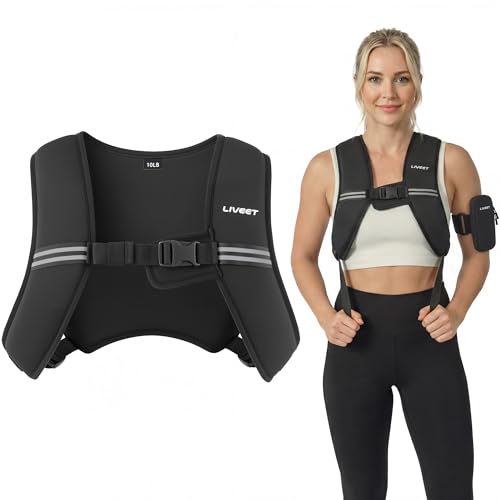
- 10-pound fixed resistance
- Soft, even weight distribution
- Reflective strips and washable design
Best For: Comfort-focused running, HIIT, yoga, and strength training
Best Adjustable Range
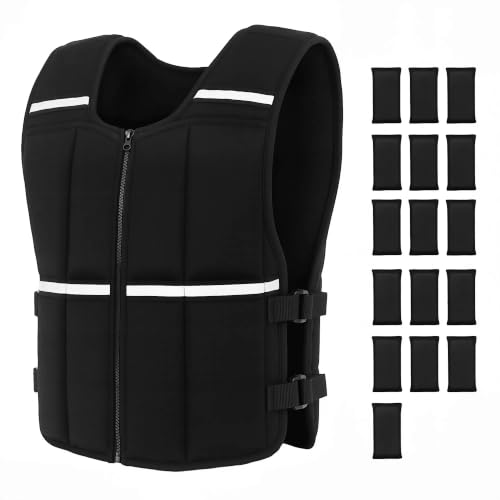
- Adjustable from 2 to 35 pounds
- 16 removable soft iron inserts
- Pockets and removable reflectors
Best For: Progressive training, running, walking, and rucking
Best Simple Fixed-Weight Pick
Zikopomi Reflective Weight Vest
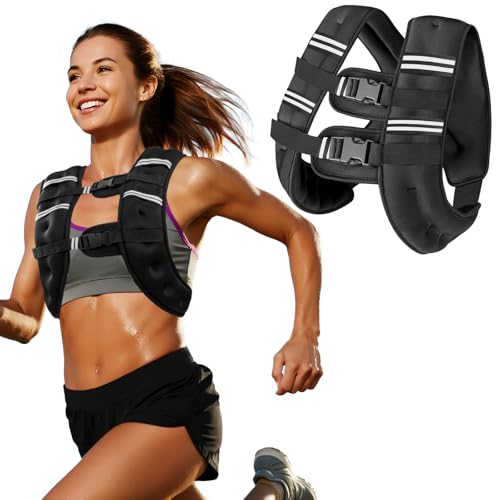
- Listed 12-pound model
- Options from 6 to 30 pounds
- Adjustable straps and reflectors
Best For: Fixed-load running, walking, and strength workouts
Best High-Capacity System
2–40 lb Detachable Soft Silicone Vest

- Adjustable from 2 to 40 pounds
- 18 blocks across four zones
- Designed for low-bounce training
Best For: Advanced progression, rucking, running, and strength training
Best All-Around Pick
ZELUS Reflective Weighted Vest

- Iron-sand weights from 6 to 30 pounds
- Sweat-wicking Lycra and SBR construction
- Reflective strips and adjustable buckle fit
Best For: Mixed fitness, running, and outdoor workouts
Best for Beginners

- Weight options from 6 to 30 pounds
- Padded, adjustable, close-fitting design
- Neoprene with reinforced seams
Best For: Walking, beginner training, and progressive conditioning
Best Adjustable System
Beatboost Adjustable Steel-Weight Vest

- Removable 0.625-pound steel bars
- Vest and complete-set options up to 60 pounds
- Supports full-body resistance training
Best For: Progressive strength, conditioning, and rucking
Most Customizable
Adjustable 2–12 lb Weighted Vest

- 14 removable iron-sand bags
- Balanced front-and-back pockets
- Adjustable waist Velcro strap
Best For: Gradual, personalized resistance for walking and strength training
Best Weight Range
Reflective Adjustable Weight Vest

- Listed from 6 to 30 pounds
- Breathable, adjustable construction
- Reflective stripe for visibility
Best For: Versatile training across running, hiking, and strength workouts
Best Features

- Soft neoprene, double-stitched build
- Front and back reflective strips
- Rear mesh storage pocket
Best For: Feature-rich walking, running, and circuit-training sessions
Best Overall Comfort – Soft Iron Reflective Weighted Vest
Among soft weighted vests, this 10-pound LIVEET model stands out for its silicone-encased iron filling, even weight distribution, and slim profile. The adjustable buckle and side straps help create a secure fit for running, HIIT, yoga, and strength training.
Best For: Beginners and experienced users seeking a fixed 10-pound vest for comfortable, visible workouts.
Pros:
- Soft iron filling is designed to reduce chafing and improve comfort.
- Adjusts to chest sizes from 34 to 42.5 inches.
- Reflective strips improve visibility during early or late outdoor workouts.
- Washable, breathable spandex design with a slim profile.
Cons:
- The weight is fixed at 10 pounds rather than adjustable.
- The stated chest range may not suit every body type.
This is a practical choice if comfort, simple setup, and low-light visibility matter more than changing resistance levels.
Best Adjustable Range – 2–35 lb Soft Weighted Vest
This adjustable option gives soft weighted vests more versatility, with 16 removable 2-pound inserts for loads from 2 to 35 pounds. Its front zipper, waist straps, storage pockets, and removable reflective strips make it suitable for progressively harder workouts.
Best For: Users who want one vest for light walking, running, gym training, and heavier rucking-style sessions.
Pros:
- Weight adjusts from 2 to 35 pounds using 16 inserts.
- Silicone-encased blocks are water-resistant and designed to reduce chafing.
- Front zipper and ladder-lock waist buckles support quick, secure fitting.
- Pockets can store small essentials when the weights are removed.
Cons:
- Loading and removing 16 inserts takes more setup than a fixed-weight vest.
- The vest and inserts can weigh up to 35 pounds, which may be more capacity than casual users need.
Choose this model when progression and storage are priorities; its broad adjustment range makes it more adaptable than a single-load vest.
Best Simple Fixed-Weight Pick – Zikopomi Reflective Weight Vest
For shoppers comparing soft weighted vests in several load options, the Zikopomi vest offers versions ranging from 6 to 30 pounds. The supplied model is listed at 12 pounds and uses neoprene fabric, iron-sand weights, adjustable straps, and reflective strips for everyday training.
Best For: Users who prefer a straightforward fixed-weight vest for running, walking, strength training, or weight-loss workouts.
Pros:
- Available in multiple weight options from 6 to 30 pounds.
- Adjustable straps are designed to fit different chest shapes.
- Even weight distribution helps support balanced workouts.
- Front and back reflective strips improve low-light visibility.
Cons:
- The listed 12-pound version does not offer in-use weight adjustment.
- The manufacturer notes that a slight new-product odor may require one to two days of ventilation.
- Iron-sand filling may feel less soft than silicone-encased weight blocks.
This is a sensible basic option for shoppers who know their preferred resistance and want adjustable fit features without a modular insert system.
Best High-Capacity System – 2–40 lb Detachable Soft Silicone Vest
This CHICVAULT model is one of the more flexible soft weighted vests, with 18 detachable silicone weight blocks and a stated range of 2 to 40 pounds. Four-zone distribution, adjustable waist straps, a zipper, and a breathable inner fabric are designed to support balanced, low-bounce training.
Best For: Athletes and experienced users who want precise load adjustments for running, walking, hiking, rucking, and strength training.
Pros:
- Adjustable from 2 to 40 pounds with 18 individual blocks.
- Four-zone placement supports more precise weight distribution.
- Silicone blocks and a Lycra interior are designed for comfort against the body.
- Reflective detailing and adjustable straps support outdoor use.
Cons:
- The maximum 40-pound capacity may be excessive for beginners.
- Care requires removing the blocks and hand-washing the vest; machine washing is not recommended.
- More components mean more setup and storage than a fixed-weight vest.
This is the strongest fit for users who value fine-grained progression and high capacity, provided they are comfortable with the vest’s more involved care routine.
Best All-Around Pick – ZELUS Reflective Weighted Vest
If you want soft weighted vests for mixed home, gym, or outdoor training, the ZELUS model combines iron-sand resistance with a close-to-body Lycra and SBR design. It is available in multiple weight options and adds reflective details for outdoor visibility.
Best For: General fitness, strength training, running, and users who want a sweat-wicking vest with several resistance options.
Pros:
- Evenly distributed iron-sand filling is available from 6 to 30 pounds.
- Lycra and SBR fabric is designed to move with the wearer and wick away sweat.
- Adjustable buckle straps fit stated chest sizes from 31.5 to 37.8 inches.
- Reflective strips and arm pockets add practical outdoor convenience.
Cons:
- The listed fit range may not suit every body size.
- Weight options are selected by model rather than adjusted with removable inserts.
The ZELUS is a versatile soft weighted vest for buyers who prioritize comfort, visibility, and a broad choice of fixed resistance levels. Start with a manageable load and increase gradually as recommended by the manufacturer.
Best for Beginners – Zeerun Neoprene Weighted Vest
The Zeerun is a practical choice among soft weighted vests for beginners and everyday walkers. Its neoprene construction, padded shoulders, elastic band, and adjustable buckle are designed to keep the load snug while offering weight choices for gradual progression.
Best For: Beginners, walking, running, training, and users seeking a comfortable vest for progressive conditioning.
Pros:
- Eight listed weight options range from 6 to 30 pounds.
- Skin-friendly neoprene and sealed construction are designed to reduce chafing and leakage.
- Thickened shoulder pads help disperse pressure, while the elastic band supports a close fit.
- Double-stitched seams and reflective stripes add durability and visibility features.
Cons:
- The vest uses fixed weight options rather than removable weight pieces.
- Its stated features focus on adult fitness use, so sizing should be checked before purchase.
With its approachable weight range and comfort-oriented design, Zeerun suits shoppers building a routine gradually. The snug fit and reinforced construction are useful for low- to moderate-intensity movement and training.
Best Adjustable System – Beatboost Adjustable Steel-Weight Vest
For shoppers who want soft weighted vests with more precise loading, the Beatboost uses removable steel bars weighing 0.625 pound each. Its vest and optional training-set configurations support progressive resistance across cardio, strength, rucking, and full-body workouts.
Best For: Experienced users who want adjustable resistance and a broader system for strength, conditioning, and full-body training.
Pros:
- Removable steel bars allow fine resistance adjustments.
- Vest-only options span 20 to 40 pounds, while complete sets reach 60 pounds.
- Adjustable straps, shoulder support, and balanced loading help limit shifting.
- Complete sets can include wrist weights, ankle weights, shoulder pads, and accessories.
Cons:
- The available configurations can be substantially heavier than beginner-oriented vests.
- Complete-set accessories may be unnecessary if you only need a vest.
- The supplied details list the material as plastic, despite the removable steel weight bars.
Beatboost stands out when adjustability matters more than the lightest, simplest setup. Its modular loading and accessory options make it suitable for users who plan to increase training demands over time.
Most Customizable – Adjustable 2–12 lb Weighted Vest
If you want soft weighted vests with highly flexible loading, the Wolliwa adjustable vest stands out. Its breathable nylon body uses up to 14 removable iron-sand bags, while the waist Velcro strap helps create a closer fit for walking, running, and strength training.
Best For: Men and women who want fine-grained weight adjustments and balanced front-and-back loading.
Pros:
- Adjusts from 2 to 12 pounds using 14 removable sandbags.
- Seven internal pockets each on the front and back support even weight distribution.
- Adjustable waist Velcro strap and ergonomic design help reduce shoulder and neck fatigue.
- Breathable nylon construction is designed for comfortable wear.
Cons:
- The vest cloth itself weighs 1.22 pounds before adding the sandbags.
- Its maximum listed adjustable load is 12 pounds, rather than the 30-pound range suggested in the title.
The Wolliwa is a practical pick when gradual progression matters more than maximum resistance. The removable-bag setup also makes it easier to tailor the load to different workouts and fitness levels.
Best Weight Range – Reflective Adjustable Weight Vest
Among soft weighted vests, the Poudee offers a broad selection of listed load options, from 6 to 30 pounds. Its breathable material, adjustable straps, iron-sand filling, and reflective stripe make it suited to varied indoor and outdoor training.
Best For: Adults who want multiple weight choices for running, hiking, bodyweight workouts, and strength training.
Pros:
- Available in listed weights from 6 to 30 pounds.
- Breathable materials and adjustable straps support a snug, mobile fit.
- Iron-sand filling is designed for even weight distribution.
- Reflective stripe adds visibility for lower-light workouts.
Cons:
- The supplied details identify the specific product size as 12 pounds, so other listed options may require separate selection.
- The notes do not specify removable individual weights or a storage pocket.
The Poudee makes sense for shoppers comparing resistance levels and looking for one vest style that can support several training formats. Its reflective detail is a useful addition for outdoor sessions.
Best Features – Neoprene Fitness Weight Vest
The Ragebby combines soft neoprene fabric with adjustable straps and practical visibility features. It is one of the more feature-focused soft weighted vests here, adding front and back reflective strips plus a rear mesh pocket for small essentials.
Best For: Men and women who want a comfortable adjustable vest for walking, running, circuit training, and fitness sessions.
Pros:
- Durable, double-stitched neoprene fabric is filled with iron sand.
- Thick adjustable shoulder straps and breathable material support a snug fit.
- Reflective strips on the front and back improve visibility in low-light settings.
- Rear elastic mesh pocket can hold a phone, car keys, or other small belongings.
Cons:
- The supplied product details identify the size as 12 pounds, despite several listed weight options.
- Neoprene may feel warmer than a lighter nylon-style fabric during intense workouts.
Ragebby is a strong choice if convenience and visibility are priorities. The storage pocket and reflective detailing add everyday usability, while the adjustable design keeps it suitable for multiple activities.
How We Picked the Best Soft Weighted Vests
We compared these Soft Weighted Vests by looking at the features that matter most during repeated use: available load ranges, adjustability, weight distribution, fit, strap design, comfort, and visibility features. We also considered whether each vest suits walking, running, bodyweight training, or heavier strength work.
Because product specifications can vary by size and configuration, check the current listing for included weights, maximum capacity, dimensions, and care instructions before buying. A vest advertised as adjustable may require adding or removing individual weight pieces, while some models are sold in one fixed load.
Quick Comparison
- Lightweight training: Fixed 6- to 12-pound vests are often easier to wear for walks, beginner workouts, and higher-repetition exercises.
- Flexible progression: Adjustable 2- to 30-pound designs let you increase resistance gradually as your conditioning improves.
- Higher-load training: Vests reaching 40 to 60 pounds are better suited to experienced users, controlled strength sessions, and exercises that tolerate heavier resistance.
- Outdoor use: Reflective stripes or panels can improve visibility during low-light walks and runs, though they should not replace lights or high-visibility clothing.
Key Buying Factors for Soft Weighted Vests
Weight Range and Adjustment
Choose a starting weight you can control without changing your posture or movement quality. Adjustable models are useful if multiple people will share the vest or if you plan to progress slowly. A vest with a very high maximum load is not automatically better; unused capacity can add bulk and cost.
Fit and Weight Distribution
Look for adjustable shoulder or side straps that keep the vest close to your torso without restricting breathing. Evenly distributed front-and-back loading generally feels more balanced than a vest that pulls heavily in one direction. The vest should stay secure during walking, squats, step-ups, and other intended movements.
Comfort and Construction
Soft padding, breathable materials, smooth edges, and stable closures can make a noticeable difference during longer sessions. Check whether the vest’s weight inserts are removable and whether the material is easy to clean. A comfortable vest is more useful than a heavier model that you avoid wearing.
Visibility and Intended Activity
Reflective detailing is helpful for outdoor training in dim conditions. For running, prioritize a close, bounce-resistant fit. For walking or general fitness, comfort and simple adjustment may matter more. For strength training, confirm that the vest will not interfere with your range of motion or equipment.
Who Should Buy Which Soft Weighted Vests?
Beginners and walkers should start with a lighter fixed or adjustable vest and use conservative loads. Users building progressive resistance may prefer a 2- to 30- or 35-pound adjustable model. Experienced trainees who already use weighted resistance can consider higher-capacity options, but should increase load gradually and avoid using maximum weight for every exercise.
If outdoor visibility is important, choose a design with reflective stripes and pair it with appropriate lighting. Whichever model you select, begin with a load that allows controlled movement, stop if you experience pain or numbness, and confirm that the fit remains secure throughout your workout.