Choosing the right belt can make heavy training feel more stable, more controlled, and more consistent. The best option depends on how you lift, how much support you want, and whether you prefer a lever, prong, or quick-lock design.
This roundup of the best weightlifting belts for strength training focuses on real-world support, adjustability, durability, and comfort so you can match the belt to your training style.
Best 10 Weightlifting Belts for Strength Training Picks for 2026
Premium Leather Power Support
Dark Iron Fitness 4-Inch Leather Belt
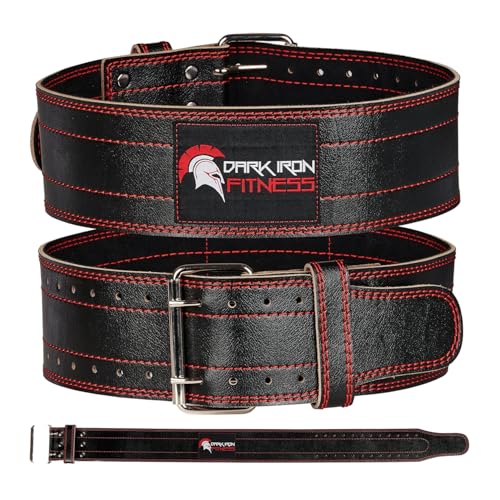
- Genuine leather with reinforced double-row stitching
- 4-inch profile and double-prong buckle for secure support
- Sized for men and women across a wide waist range
Best For: Heavy compound lifts and lifters who want a durable leather belt
Competition-Ready Nylon Locking Belt

- Self-locking buckle designed to stay secure under load
- 100% premium nylon with a uniform 4-inch profile
- Competition approved for Olympic lifting and functional fitness
Best For: Functional fitness athletes and Olympic lifters
IPF-Approved Heavy Duty Build
Iron Bull Strength 10mm Leather Belt
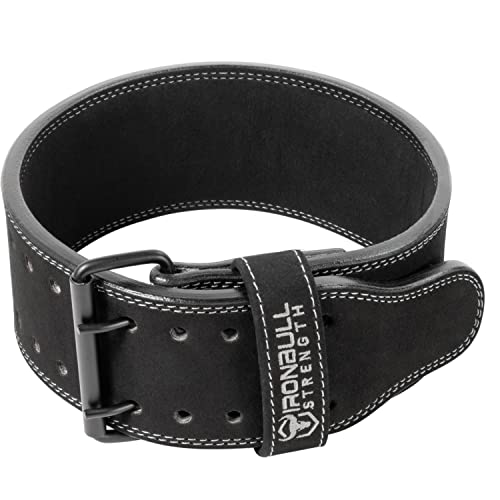
- IPF approved and also USAPL, USPA, and IPL approved
- 10mm suede leather construction for firm support
- 4-inch height built for squats, deadlifts, and bench
Best For: Powerlifters needing competition-approved heavy-duty support
Quick-Lock Nylon Training Belt
Gymreapers Quick Locking Weight Lifting Belt

- Quick-lock buckle for fast adjustments
- Lightweight nylon with reinforced stitching
- Competition tested for multiple lifting styles
Best For: Athletes who want a lighter belt for fast-paced training
Lever Power Belt
10mm IPF Thick Leather Weight Lifting Belt

- Lever buckle for quick release and fit changes
- 10mm leather with 4-inch back support
- Built for squats, deadlifts, and powerlifting
Best For: Heavy lifters who want a stable leather belt
Suede-Lined Leather Training Belt
Genuine Leather Weight Lifting Belt

- Double-sided leather for added durability
- Suede lining for more comfort and padding
- Widened design for back and abdomen support
Best For: Regular lifters who want durable leather support with extra comfort
Heavy-Duty Lever Pick
Beast Power Gear 10mm Leather Belt

- 10mm thick genuine suede leather
- Steel lever buckle for quick lock-in
- Made for squats, deadlifts, and powerlifting
Best For: Lifters who want a thick leather belt with fast lever adjustment
Supportive Leather All-Rounder

- Genuine cowhide leather with suede inner
- 4-inch and 6-inch padded back support options
- Dual-pronged roller buckle with 10 holes
Best For: Lifters who want a padded leather belt with a secure traditional buckle
Comfort-First Stability Belt

- Neoprene and nylon build for flexibility
- 6-inch back support with breathable foam core
- Hook-and-loop closure for easy adjustment
Best For: Lifters who want a comfortable, adjustable neoprene belt
Premium Leather Power Support – Dark Iron Fitness 4-Inch Leather Belt
If you’re comparing weightlifting belts for strength training, this leather option is built for lifters who want a firm, traditional feel with reliable support under heavy loads. The 4-inch width, reinforced stitching, and double-prong buckle are aimed at helping you stay braced through squats, deadlifts, press work, and other demanding sessions.
Best For: Lifters who want a durable leather belt with strong core support for heavy compound lifts.
Pros:
- 100% genuine leather with reinforced double-row stitching
- 4-inch width balances support and wearability during lifts
- Double-prong metal buckle is designed to stay secure under load
- Available in multiple sizes for a more precise fit
Cons:
- Leather construction may feel stiff at first
- Requires careful sizing using natural waist measurements
- Less quick-adjustable than hook-and-loop belts
Overall, this is a solid pick if you prefer a classic lifting belt built for stability and longevity. It leans toward serious training use rather than fast on-and-off convenience.
Competition-Ready Nylon Locking Belt – Element 26 Self-Locking Belt
For athletes shopping weightlifting belts for strength training, this nylon model is designed around security and fast use. Its self-locking buckle is meant to stay shut during lifts, while the uniform 4-inch profile follows the brand’s performance-first approach for functional fitness and Olympic-style training.
Best For: Functional fitness and Olympic lifting athletes who want a secure, competition-approved nylon belt.
Pros:
- Self-locking buckle is designed to resist slipping during lifts
- 100% premium nylon construction keeps the belt lightweight
- Uniform 4-inch profile suits a performance-focused lifting setup
- Competition approved for Olympic lifting and functional fitness
Cons:
- Nylon feel may not appeal to lifters who prefer stiff leather
- Less traditional than classic prong-buckle belts
- Focused more on performance than plush comfort
This belt makes sense if you prioritize quick release, dependable closure, and competition legality. It is built for athletes who want a straightforward training belt without extra padding or bulk.
IPF-Approved Heavy Duty Build – Iron Bull Strength 10mm Leather Belt
If you want weightlifting belts for strength training that are built for serious power work, this 10mm leather option is aimed squarely at heavy squat, deadlift, and bench sessions. The firm suede construction and IPF approval make it a practical pick for lifters who need competition-ready support with a traditional prong style.
Best For: Powerlifters and strength athletes who need a certified 10mm belt for heavy training.
Pros:
- IPF approved and also listed as USAPL, USPA, and IPL approved
- 10mm thick single-piece suede leather for firm, consistent support
- 4-inch height supports the back, abs, and core during big lifts
- Backed by a lifetime manufacturing-defect warranty
Cons:
- May require a break-in period to conform to your waist
- Stiffer 10mm build may feel less forgiving than thinner belts
- Best suited to heavy lifting rather than casual workouts
This is the kind of belt you buy when certified support matters as much as durability. It is a strong match for lifters who want a competition-legal belt with a serious, no-nonsense feel.
Extra-Wide Comfort Support – RitFit 6-Inch Padded Belt
Among weightlifting belts for strength training, this 6-inch contoured design stands out for lifters who want more wraparound coverage and a softer feel. The hook-and-loop closure and stainless steel buckle make it easy to adjust, while the reinforced tricot build is positioned as a durable option for squats, deadlifts, and core-focused work.
Best For: Lifters who prefer a wide, padded belt with quick adjustments and a comfortable fit.
Pros:
- 6-inch extra-wide contoured design offers broad support
- Reinforced tricot construction is made for durability and comfort
- Hook-and-loop strap allows quick adjustments mid-workout
- Multiple sizes and colors make fitting and styling easy
Cons:
- Hook-and-loop closure may not feel as rigid as leather belts
- Extra-wide shape may not suit every body type or preference
- More comfort-oriented than competition-focused
This belt is a good fit if you want support without the stiff, traditional feel of a leather power belt. It favors convenience, comfort, and easy adjustability for regular training.
Quick-Lock Nylon Training Belt – Gymreapers Quick Locking Weight Lifting Belt
If you want one of the more versatile weightlifting belts for strength training, this Gymreapers quick-lock model is built for fast changes between lifts and conditioning work. Its nylon build keeps it lighter than a traditional leather belt, while the same-width design and secure locking buckle are made to help support core stability during demanding sessions.
Best For: Lifters who want a lightweight training belt with fast on-and-off adjustment for cross training, Olympic lifts, and general strength work.
Pros:
- Quick locking buckle makes it easy to unlock and relock between exercises.
- Same-width construction is designed to provide consistent support around the belt.
- Lightweight nylon build helps avoid the bulk of traditional lifting belts.
- Competition tested and used across powerlifting, bodybuilding, Olympic lifting, and cross training.
Cons:
- Size selection requires measuring around the navel, not using waist size.
- Nylon construction may not suit lifters who prefer a rigid leather feel.
This is a practical pick for athletes who value speed, lighter feel, and dependable support in one belt. It makes the most sense if your training includes frequent transitions and you want a secure fit without extra downtime.
Lever Power Belt – 10mm IPF Thick Leather Weight Lifting Belt
Among weightlifting belts for strength training, this lever-style leather belt is aimed squarely at heavy squats, deadlifts, and powerlifting sessions. The 10mm thickness, 4-inch vertical back support, and lever buckle are all designed for a snug fit and quick adjustments when you want serious support under the bar.
Best For: Lifters who want a thick leather lever belt for heavy powerlifting and bodybuilding work.
Pros:
- Lever buckle allows fast release and quick tightening or loosening.
- 10mm leather construction is built for heavy lifting support.
- 4-inch vertical back support adds stability during compound movements.
- Designed for powerlifting, weightlifting, squats, and deadlifts.
Cons:
- Lever systems can feel less convenient if you want frequent fit changes.
- Thicker leather may be more belt than some casual gym users need.
This belt is a strong option if your priority is heavy-duty support over flexibility or lightweight comfort. It stands out most for lifters who want a durable, stable setup for serious barbell work.
Suede-Lined Leather Training Belt – Genuine Leather Weight Lifting Belt
This genuine leather option is a solid choice if you want weightlifting belts for strength training with a more traditional feel and added comfort. The widened structure, double-sided leather, and suede lining are meant to improve support while helping reduce discomfort during daily training and heavier sessions.
Best For: Lifters who want a durable leather belt with suede lining and a wider support profile for everyday strength training.
Pros:
- Double-sided leather construction is described as stronger and more durable.
- Suede lining adds comfort and extra padding against the skin.
- Widened structure is designed to help during training and personal records.
- Reinforced stitching is built for high-strength use over time.
Cons:
- Size guidance requires careful measuring around the lower back and belly button.
- The tighter fit may not suit lifters who dislike firmer belt pressure.
If you want a classic leather lifting belt with comfort-focused details, this one checks the right boxes. It is especially appealing for regular training where support, durability, and a more padded feel matter.
Heavy-Duty Lever Pick – Beast Power Gear 10mm Leather Belt
If you want weightlifting belts for strength training that prioritize a locked-in feel, this 10mm leather option is built for serious squats, deadlifts, and other heavy lifts. The thick suede leather construction and lever buckle are geared toward strong compression and a stable brace under load.
Best For: Lifters who want a thick leather belt with a quick lever lock for heavy training.
Pros:
- 10mm thick, 4-inch wide genuine suede leather construction
- Heavy-duty steel lever buckle for fast, secure adjustment
- Non-slip top and bottom surfaces for steadier positioning
- Designed for weightlifting, powerlifting, squats, and deadlifts
Cons:
- Lever style may be less convenient for lifters who prefer a traditional prong buckle
- Sizing depends on true waist measurement, not pants size
This is a straightforward choice for lifters who value firm support and a fast tightening system. If you want a classic leather belt feel with modern lever convenience, it fits the role well.
Supportive Leather All-Rounder – RDX 4in/6in Cowhide Belt
For weightlifting belts for strength training that balance support and adjustability, this RDX cowhide model is built for heavy gym work. It comes in 4-inch and 6-inch back-support versions, with a padded design and dual-pronged roller buckle aimed at a secure, comfortable fit.
Best For: Lifters who want a leather belt with padded lumbar support and a traditional buckle.
Pros:
- Genuine cowhide leather with suede inner for durability and comfort
- 4-inch and 6-inch back support options for different training preferences
- Dual-pronged roller buckle with 10 precision-drilled holes
- Wide padded back designed to help with lumbar support during heavy lifts
Cons:
- Requires careful sizing based on the provided chart, not pant size
- Traditional buckle setup is slower than a lever-style closure
This belt is a practical pick if you want a familiar leather feel with reliable adjustability. It’s especially useful for lifters who want support across squats, deadlifts, and other demanding sessions.
Comfort-First Stability Belt – DMoose 6-Inch Neoprene Belt
If you prefer weightlifting belts for strength training with more flex and comfort, this DMoose neoprene model is designed for stable support without the stiffness of leather. Its 6-inch back panel, breathable foam core, and hook-and-loop closure make it a practical option for intense workouts and cross-training.
Best For: Lifters who want a comfortable neoprene belt with easy adjustability and back support.
Pros:
- Premium neoprene and nylon construction for durability and flexibility
- 6-inch wide back support for squats, deadlifts, and cross training
- Hook-and-loop closure for quick, secure adjustment
- Breathable foam core adds cushioning during longer sessions
Cons:
- Medium size may not suit all waist ranges, so sizing still matters
- Less rigid than a thick leather belt for lifters seeking a very firm brace
This belt makes sense if comfort and quick on/off use matter as much as stability. It’s a solid choice for lifters who want dependable lumbar support in a more flexible format.
How We Picked the Best Weightlifting Belts for Strength Training
We looked at belt thickness, width, closure style, material quality, adjustability, and suitability for compound lifts. We also favored options that balance bracing support with enough comfort for regular training sessions.
Quick Comparison
Leather belts usually offer the most rigid support for heavy squats and deadlifts, while nylon and neoprene-style belts tend to feel lighter, faster to tighten, and more comfortable for mixed training. Lever belts are quick to secure, prong belts offer more fine-tuned adjustment, and self-locking designs are appealing if you want simplicity.
Key Buying Factors for Weightlifting Belts for Strength Training
Width and Thickness
Most lifters do well with a 4-inch belt, especially for general strength work. Wider 6-inch styles can add more torso coverage, but they are not always ideal for shorter lifters or movements that require extra mobility. Thickness matters too: 10mm belts are a popular balance of support and comfort, while thicker options feel stiffer and more restrictive.
Closure Type
Lever belts are fast and secure, making them a strong choice if you train with the same tightness every session. Double-prong and single-prong belts allow easier micro-adjustments. Auto-lock and quick-lock belts are convenient for lifters who want speed and easy on-off use between sets.
Material and Stiffness
Leather tends to be the go-to for maximum support and long-term durability. Nylon, neoprene, and padded designs can be easier to wear for higher-rep work, warm-ups, and machines. If you want one belt for truly heavy work, lean toward a stiffer construction.
Fit and Use Case
The best Weightlifting Belts for Strength Training should let you brace hard without digging uncomfortably into your ribs or hips. Consider your torso length, waist size, and the lifts you do most. Powerlifters often prefer firmer belts, while general gym users may value comfort and versatility more.
Who Should Buy Which Weightlifting Belts for Strength Training?
If you want maximum heavy-lift support, choose a thick leather lever or prong belt. If you prefer convenience and faster adjustments, a self-locking or quick-lock belt is a better fit. If you train across a wider range of exercises and rep ranges, a padded or more flexible belt may be the most practical choice.
In short, pick the belt that matches your main lifts, your preferred level of rigidity, and how often you need to adjust it during training. That is the best way to get reliable support without sacrificing comfort or consistency.