The right heart rate monitor can make treadmill workouts more controlled, whether you are building endurance, following interval targets, or managing workout intensity. Chest straps generally deliver the most responsive readings, while armbands offer easier setup and greater comfort for everyday training.
We selected 10 standout options across Polar, Garmin, COROS, Scosche, POWR LABS, GEOID, and COOSPO, focusing on connectivity, fit, water resistance, battery life, and compatibility with popular treadmills, watches, apps, and fitness equipment.
Best 10 Heart Rate Monitor for Treadmill Picks for 2026
Accuracy Leader

- Highly precise heart-rate measurement
- Bluetooth, ANT+, and 5 kHz connectivity
- Waterproof with up to 400 hours of battery life
Best For: Runners prioritizing accuracy and broad treadmill compatibility
Garmin Integration Pick

- Transmits real-time heart rate and HRV data
- Up to one year of replaceable-battery life
- Machine-washable strap with 3 ATM water rating
Best For: Garmin users training with compatible treadmills and apps
Long-Battery Value

- ANT+ and Bluetooth connectivity
- Up to 800 hours of replaceable-battery life
- IP67-rated design with connection LED
Best For: Users pairing one monitor with multiple treadmill devices and apps
Comfortable Armband Option

- Soft, breathable armband design
- Bluetooth pairing with up to three devices
- 38 hours of operation per charge
Best For: Bluetooth treadmill users who prefer an armband over a chest strap
Reliable Chest-Strap Pick
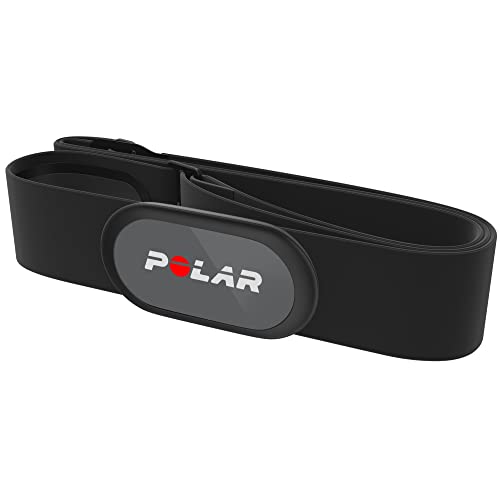
- High-accuracy chest-strap tracking
- Works with compatible equipment and apps
- Up to 400 hours of battery life
Best For: Treadmill users wanting established, app-compatible tracking
Best Connectivity Value
POWR LABS Bluetooth ANT+ Chest Strap
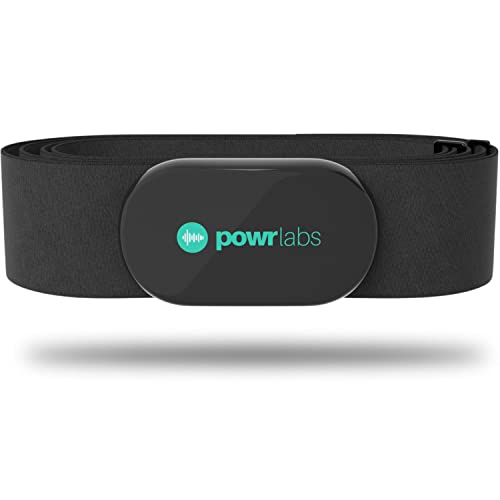
- Bluetooth and ANT+ connectivity
- 400+ hours of battery life
- Sweatproof, water-resistant construction
Best For: Users pairing a treadmill workout with multiple devices or apps
Comfortable Armband Alternative

- Optical armband design
- Bluetooth and ANT+ support
- Up to 24 hours of battery life
Best For: Users who prefer an adjustable armband over a chest strap
Best Chest Strap Pick
COOSPO H808S Bluetooth Heart Rate Monitor
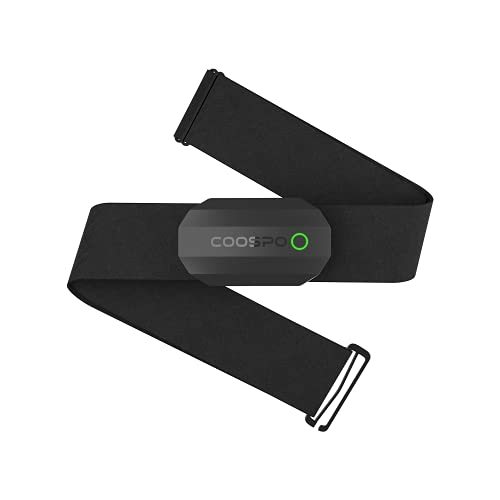
- Claimed ±1 BPM accuracy
- Bluetooth and ANT+ connectivity
- Up to 300-hour replaceable-battery life
Best For: Frequent treadmill users who want long battery life and chest-strap tracking
Best Treadmill Equipment Compatibility
COOSPO HW807 Heart Rate Armband

- Claims ±1 BPM optical accuracy
- Bluetooth 5.0 and ANT+ support
- Compatible with several treadmill platforms
Best For: Treadmill users who prefer an armband and broad equipment compatibility
Best Zone Alerts
COOSPO HW9 Heart Rate Monitor Armband

- Five-color heart-rate zone indicator
- Custom maximum HR and vibration alert
- Up to 35 hours of rechargeable battery life
Best For: Treadmill users focused on zone training and customizable intensity alerts
Accuracy Leader – Polar H10
If you want a highly accurate heart rate monitor for treadmill workouts, the Polar H10 is a strong chest-strap option. It supports Bluetooth, ANT+, and 5 kHz connections, allowing it to work with compatible treadmills, phones, tablets, and other fitness equipment.
Best For: Runners who prioritize measurement accuracy, broad connectivity, and long battery life.
Pros:
- Recognized for highly precise heart-rate measurement.
- Supports Bluetooth, ANT+, and 5 kHz connections, including simultaneous connections.
- Waterproof, with internal memory and up to 400 hours of battery life.
- Comfort-focused strap includes improved electrodes, a buckle, and silicone dots.
Cons:
- Chest-strap design may be less comfortable than an armband for some users.
- Requires a CR2025 button-cell battery.
The Polar H10 is a versatile choice when treadmill compatibility and dependable data matter more than having a screen or smartwatch-style design.
Garmin Integration Pick – Garmin HRM 200
The Garmin HRM 200 is a practical heart rate monitor for treadmill users who already use Garmin devices or compatible fitness apps. It transmits real-time heart rate and heart rate variability data and is designed for use with fitness equipment, smartwatches, cycling computers, and smartphones.
Best For: Garmin users seeking real-time heart-rate and heart-rate-variability data from a durable chest strap.
Pros:
- Sends real-time heart rate and HRV data to compatible devices and fitness equipment.
- Available in two strap sizes for a more tailored fit.
- Offers up to one year of battery life with a user-replaceable battery.
- Machine-washable strap and 3 ATM water rating support regular use.
Cons:
- Its full feature set depends on compatible Garmin devices, equipment, or apps.
- The supplied details identify it as a chest-strap system, which may not suit users who prefer armbands.
For treadmill sessions within a Garmin-focused setup, the HRM 200 combines useful workout data with low-maintenance construction and extended battery life.
Long-Battery Value – GEOID HS500
The GEOID HS500 is a budget-minded heart rate monitor for treadmill users who want ANT+ and Bluetooth flexibility. It can connect with compatible smartphones, apps, treadmills, and other fitness equipment, while its LED indicator provides a quick confirmation of activation and connection.
Best For: Multi-device users who want long battery life and broad ANT+/Bluetooth compatibility.
Pros:
- Works with compatible treadmills, smartphones, apps, watches, and bike computers.
- Supports both ANT+ and Bluetooth connections.
- Rated for up to 800 hours of battery life with a replaceable CR2032 battery.
- IP67 waterproof design and movement-focused algorithms help support active workouts.
Cons:
- Swimming is not recommended despite its water-resistant design.
- Bluetooth pairing should be completed through the app rather than directly through phone settings.
The HS500 stands out for treadmill setups that use different devices or apps and for users who prefer infrequent battery changes.
Comfortable Armband Option – COROS Heart Rate Monitor
The COROS Heart Rate Monitor offers an armband alternative to a traditional chest strap for treadmill workouts. Its soft, breathable band connects by Bluetooth to up to three compatible devices, including treadmills, phones, sports watches, and indoor trainers.
Best For: Treadmill users who prefer a comfortable, rechargeable armband and use Bluetooth-compatible equipment.
Pros:
- Soft, breathable armband sits flat and is designed for flexible adjustment.
- Can pair with up to three devices simultaneously over Bluetooth.
- Automatic wear detection powers the monitor on and off when worn.
- Provides 38 hours of operation or up to 80 days of standby per charge.
Cons:
- Bluetooth only; it is not compatible with ANT+.
- Full operation is limited to 38 hours per charge.
- Designed for sports and activities rather than daily heart-rate tracking.
Choose the COROS monitor if armband comfort and automatic operation appeal to you, provided your treadmill or connected devices support Bluetooth.
Reliable Chest-Strap Pick – Polar H9 Heart Rate Sensor
Polar H9 Heart Rate Sensor – ANT + / Bluetooth - Waterproof HR Monitor with Soft Chest Strap, M-XXL
Check Price On AmazonIf you want a dependable heart rate monitor for treadmill workouts, the Polar H9 is a straightforward chest-strap option. Its high-accuracy sensor works with compatible exercise equipment and can also connect to smartphones and popular fitness apps.
Best For: Treadmill users who prioritize established heart-rate tracking and broad compatibility.
Pros:
- Designed for high-accuracy heart-rate tracking.
- Works with compatible heart-rate-monitor equipment, phones, tablets, laptops, and desktops.
- Offers up to 400 hours of battery life with an included CR2025 battery.
- Includes a soft strap and comes with a two-year manufacturer warranty.
Cons:
- Requires wearing a chest strap during workouts.
- Fit is limited to the listed XS-S and M-XXL size ranges.
- Uses a replaceable button-cell battery rather than rechargeable power.
The Polar H9 is a practical choice when treadmill compatibility and consistent chest-strap tracking matter more than having a built-in display.
Best Connectivity Value – POWR LABS Bluetooth ANT+ Chest Strap
The POWR LABS strap is a versatile heart rate monitor for treadmill training, especially if you use connected equipment, a smartwatch, or a fitness app. Dual Bluetooth and ANT+ connectivity is designed to pair with devices such as Garmin, Wahoo, Polar, Peloton, and many compatible apps.
Best For: Connected treadmill workouts requiring flexible Bluetooth and ANT+ pairing.
Pros:
- Supports both Bluetooth and ANT+ connections.
- Adjustable strap accommodates a broad listed range of 24 to 61 inches.
- Offers more than 400 hours of battery life with a replaceable battery included.
- IPX67 sweatproof and water-resistant construction suits demanding training sessions.
Cons:
- Must be worn before pairing, according to the supplied instructions.
- Requires a compatible device or app to view workout data.
- Chest-strap design may not suit users who prefer an armband.
With dual-standard connectivity and long battery life, this model is a strong value-oriented option for treadmill users who regularly switch between fitness platforms.
Comfortable Armband Alternative – Scosche Rhythm+ 2.0 Armband
For shoppers who prefer not to wear a chest strap, the Scosche Rhythm+ 2.0 offers an optical heart rate monitor for treadmill workouts. Its adjustable armband can be worn on the forearm, bicep, or tricep and connects to compatible fitness equipment, watches, and apps through Bluetooth or ANT+.
Best For: Treadmill runners seeking a lightweight armband with broad device compatibility.
Pros:
- Provides an alternative to restrictive chest-strap monitors.
- Supports Bluetooth and ANT+ connections with compatible devices and apps.
- Offers up to 24 hours of continuous battery life.
- IP68 waterproof construction is suited to sweat, rain, and demanding workouts.
Cons:
- Battery life is shorter than the chest-strap options in this roundup.
- Requires recharging after extended use.
- Optical armband placement may not appeal to users who prefer chest-based monitoring.
The Rhythm+ 2.0 makes sense for treadmill users who value wearing comfort and flexible placement, provided they are comfortable managing its shorter rechargeable battery cycle.
Best Chest Strap Pick – COOSPO H808S Bluetooth Heart Rate Monitor
If you want a heart rate monitor for treadmill workouts with broad device compatibility, the COOSPO H808S is a practical chest-strap option. It uses Bluetooth 4.0 and ANT+ transmission, provides claimed ±1 BPM accuracy, and offers up to 300 hours from its replaceable CR2032 battery.
Best For: Treadmill users who prioritize long battery life, chest-strap accuracy, and compatibility with fitness apps or ANT+ equipment.
Pros:
- Claims ±1 BPM accuracy for real-time exercise tracking.
- Supports both Bluetooth 4.0 and ANT+ connections.
- Up to 300 hours of battery life with a replaceable CR2032 battery.
- IP67 waterproof rating and compatibility with apps including Strava, Wahoo Fitness, and Polar Beat.
Cons:
- Requires moistening the electrode zones before use.
- The chest strap is recommended for replacement after six months or 300 washes.
- Requires pairing through the fitness app rather than the phone’s Bluetooth settings.
The H808S is a strong choice when you want a low-maintenance sensor for frequent treadmill training. Its chest-strap design may feel less convenient than an armband, but the long battery life and dual connectivity are useful for structured workouts.
Best Treadmill Equipment Compatibility – COOSPO HW807 Heart Rate Armband
The COOSPO HW807 is a convenient heart rate monitor for treadmill training if you prefer an optical armband over a chest strap. It supports Bluetooth 5.0 and ANT+, displays heart-rate zones through colored LEDs, and is listed as compatible with Nordic, Pro-Form, iFIT, and other fitness equipment.
Best For: Treadmill users who want an adjustable armband with direct fitness-equipment and app compatibility.
Pros:
- Claims ±1 BPM accuracy during exercise.
- Works with Bluetooth 5.0 and ANT+ devices, apps, watches, and fitness equipment.
- LED colors provide a quick view of heart-rate zones.
- IP67 waterproof rating and a 20-hour rechargeable battery.
Cons:
- Its 20-hour battery life is much shorter than the H808S chest strap’s stated runtime.
- Not recommended for swimming despite the IP67 rating.
- Optical armband readings may not suit shoppers who specifically prefer a chest strap.
The HW807 balances easier wear with useful treadmill connectivity. Its zone LEDs can help you check workout intensity at a glance, while the rechargeable battery is best suited to regular sessions rather than extended use between charges.
Best Zone Alerts – COOSPO HW9 Heart Rate Monitor Armband
The COOSPO HW9 is a heart rate monitor for treadmill workouts that emphasizes zone awareness and customizable alerts. Its optical sensor claims ±1 BPM accuracy, while the five-color LED indicator, adjustable maximum heart rate, and vibration warning help you monitor intensity without relying on a screen.
Best For: Treadmill users who want visible and vibration-based heart-rate zone alerts in a comfortable armband.
Pros:
- Claims ±1 BPM accuracy and tracks calorie-burn data.
- Five-color LED indicator shows heart-rate zones at a glance.
- Supports customized maximum heart rate and vibration warnings.
- Offers Bluetooth 5.0, ANT+, two simultaneous Bluetooth connections, and up to 35 hours of battery life.
Cons:
- Requires charging with its magnetic charger.
- The default maximum heart-rate setting is 200 BPM unless customized in the app.
- Some advanced settings depend on the Heartool or CooSporide app.
The HW9 is the most feature-focused armband in this group for intensity-based treadmill sessions. Its zone lights and vibration alert are useful when you want immediate feedback, while the 35-hour battery provides more breathing room between charges than the HW807.
How We Picked the Best Heart Rate Monitor for Treadmill
We evaluated each Heart Rate Monitor for Treadmill use based on sensor design, connection options, wearing comfort, workout reliability, battery expectations, and device compatibility. Chest straps typically measure electrical signals close to the heart and are a strong choice for intervals or precise zone training. Optical armbands can be more comfortable and convenient, especially for casual runs and longer sessions.
We also prioritized models supporting ANT+, Bluetooth, or both, since compatibility can determine whether a monitor connects directly to a treadmill, fitness watch, cycling computer, phone, or training app. Water resistance and secure fit were considered because sweat, movement, and repeated workouts can affect day-to-day usability.
Quick Comparison
| Type | Best For | Typical Strength | Potential Trade-Off |
|---|---|---|---|
| Chest strap | Precise training and intervals | Fast, consistent readings | Requires wearing a strap around the chest |
| Upper-arm armband | Comfort and everyday workouts | Easy to put on and remove | May respond differently during rapid intensity changes |
| Bluetooth and ANT+ model | Multi-device users | Broad equipment compatibility | More setup options to manage |
Key Buying Factors for a Heart Rate Monitor for Treadmill Workouts
Sensor Style and Accuracy
Choose a chest strap if accurate, rapid changes in heart rate are your priority. An armband may be preferable if chest straps feel restrictive or cause irritation. For either style, a secure fit is essential; loose sensors can produce inconsistent readings.
Connectivity
ANT+ is common on gym equipment, Garmin devices, and many fitness computers, while Bluetooth works broadly with phones, tablets, smartwatches, and training apps. Dual-protocol models offer the most flexibility. Before buying, confirm that your treadmill or preferred app supports the monitor’s connection type and simultaneous-device features.
Battery and Water Resistance
Look for a replaceable-battery design if you want long service with minimal charging, or a rechargeable model if convenient USB charging matters more. Water resistance helps protect against sweat, but it does not necessarily mean a device is designed for swimming. Check the manufacturer’s rating and care instructions.
Comfort and Maintenance
Adjustable straps, washable materials, and automatic wear detection can make a monitor easier to use consistently. Follow cleaning instructions after sweaty sessions, and keep electrodes or optical sensors in direct contact with clean, dry skin when possible.
Who Should Buy Which Heart Rate Monitor for Treadmill?
Choose Polar H10 or Garmin HRM 200 if you want a dependable chest-strap option for structured treadmill intervals, serious training, or broad fitness-device compatibility. Choose Polar H9 if you want a straightforward sensor without paying for unnecessary extras.
Choose COROS or Scosche if you prefer an armband-style monitor with a comfortable fit for daily treadmill workouts. Choose a COOSPO, GEOID, or POWR LABS model if you want an affordable monitor with Bluetooth and ANT+ connectivity for use across multiple devices.
For the best match, start with your treadmill’s supported connection, then choose the sensor style you are most likely to wear consistently. Reliable readings are useful only when the monitor is comfortable enough to stay on for every workout.